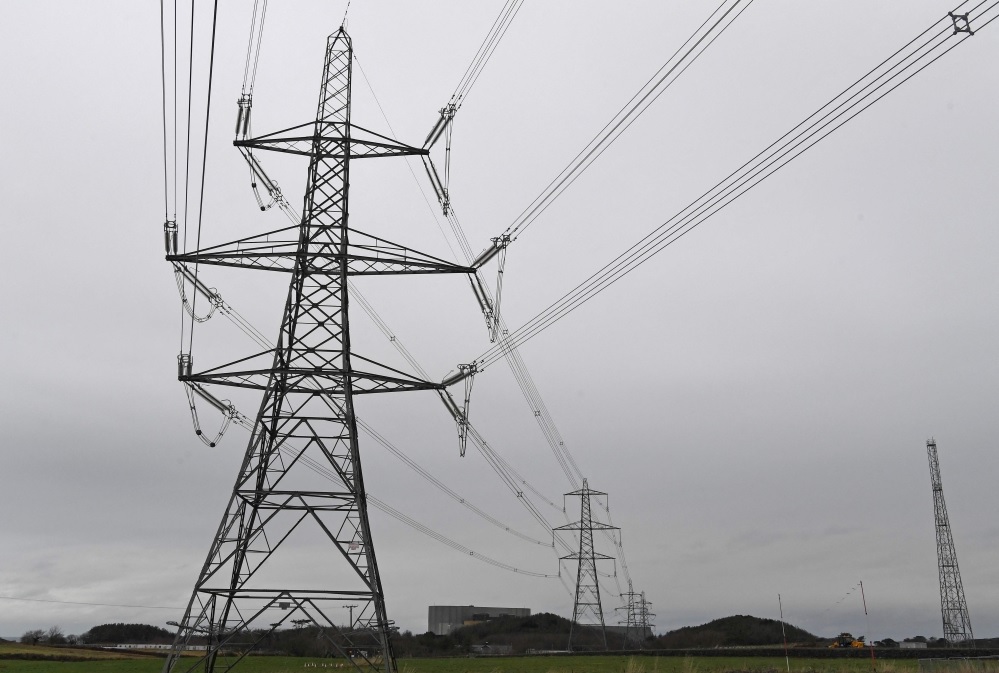
Kuala Lumpur: As conflict in the Middle East threatens to disrupt global energy markets and reignite concerns over fuel prices, Malaysia’s long-dormant nuclear ambitions are once again returning to the spotlight.
With the government expecting the country to feel the effects of higher energy costs in the coming months, policymakers have increasingly spoken about the need to diversify Malaysia’s energy sources and strengthen long-term energy security.
In recent months, discussions surrounding nuclear energy have resurfaced, prompting questions about whether Malaysia is finally moving closer to joining the ranks of countries that generate electricity through nuclear power.
Where exactly does the country stand today?
The answer, according to the National Nuclear Technology Policy (DTNN) 2030, is that Malaysia already possesses a sizeable nuclear ecosystem — just not one centred on electricity generation.
While public discussions have largely focused on nuclear power plants, the government’s roadmap reveals nuclear technology is already being used across agriculture, healthcare, manufacturing, research and environmental monitoring.
In many ways, Malaysia’s nuclear journey began decades ago.
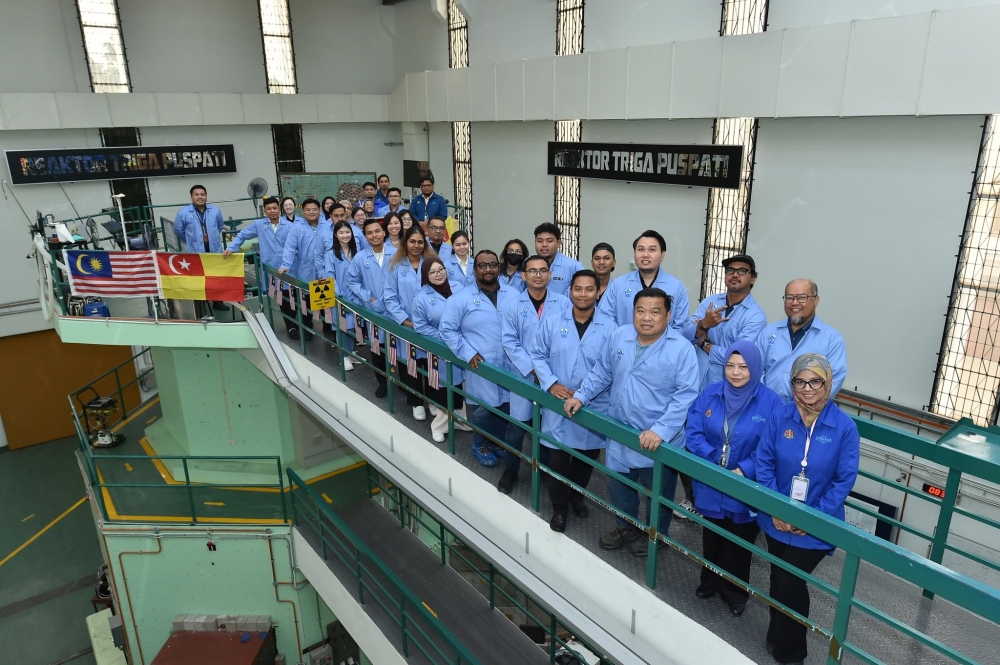
Malaysia has operated the Triga Puspati research reactor since 1982, making it one of the longest-running nuclear facilities in South-east Asia. Run by Nuclear Malaysia, the reactor is used for research, training and the production of radioisotopes for medicine, agriculture and industry.
One of the country’s lesser-known nuclear success stories, however, can be found not in a laboratory, but in paddy fields.
According to the policy document, Malaysia has developed more than 30 crop and seed varieties through mutation breeding, a technique that uses radiation to improve plant traits.
Among the most successful is the IS21 rice variety, which received international recognition from the International Atomic Energy Agency (IAEA) and the Food and Agriculture Organisation (FAO).
Nuclear technology also plays a significant role in healthcare.
The policy paper notes that Malaysia had 38 radiotherapy centres, 36 nuclear medicine centres and more than 1,700 radiology facilities nationwide as of 2019.
For thousands of cancer patients, nuclear technology is already part of everyday treatment through diagnostic imaging, radiotherapy and specialised medical procedures.
Yet the government’s ambitions extend further.
Under the DTNN 2030, Malaysia aims to strengthen local capabilities in designing, developing and manufacturing nuclear-related devices, equipment and reactor components while increasing participation in the global nuclear technology supply chain.
By 2030, the government projects exports of nuclear technology products and services could reach RM2.403 billion annually.
These are just some of the initiatives under the DTNN 2030.
The roadmap goes much further, covering everything from infrastructure development and human capital training to radioactive waste management, nuclear safety and security, research capabilities and international cooperation.
The policy also outlines plans to strengthen environmental monitoring capabilities using nuclear analytical techniques and expand the country’s pool of nuclear scientists, engineers and specialists.
Taken together, the initiatives suggest Malaysia is building many of the capabilities associated with an advanced nuclear nation, even if it has yet to commit to nuclear electricity generation.
That distinction is important.
Despite recent discussions on nuclear power, the DTNN 2030 is primarily focused on expanding peaceful nuclear applications rather than setting out a roadmap for constructing a nuclear power plant.
Nevertheless, the foundations being developed are the same building blocks required by countries pursuing broader nuclear programmes.
Nurhisham Hussein, Prime Minister’s Economic Adviser, recently argued that nuclear energy may ultimately be necessary for Peninsular Malaysia’s long-term electricity needs, saying solar power alone could not provide stable baseload generation while the peninsula lacked the hydropower resources available in Sabah and Sarawak.
He described nuclear energy as “the way to go” for Peninsular Malaysia, while acknowledging that any move would require extensive public education, policy reforms, international agreements and a comprehensive waste management framework.
The policy itself acknowledges that Malaysia remains at an early stage compared with more advanced nuclear nations despite more than four decades of experience in the sector.
For now, however, the country’s nuclear footprint is already larger than many Malaysians realise.