Advertisement

Advertisement
Advertisement
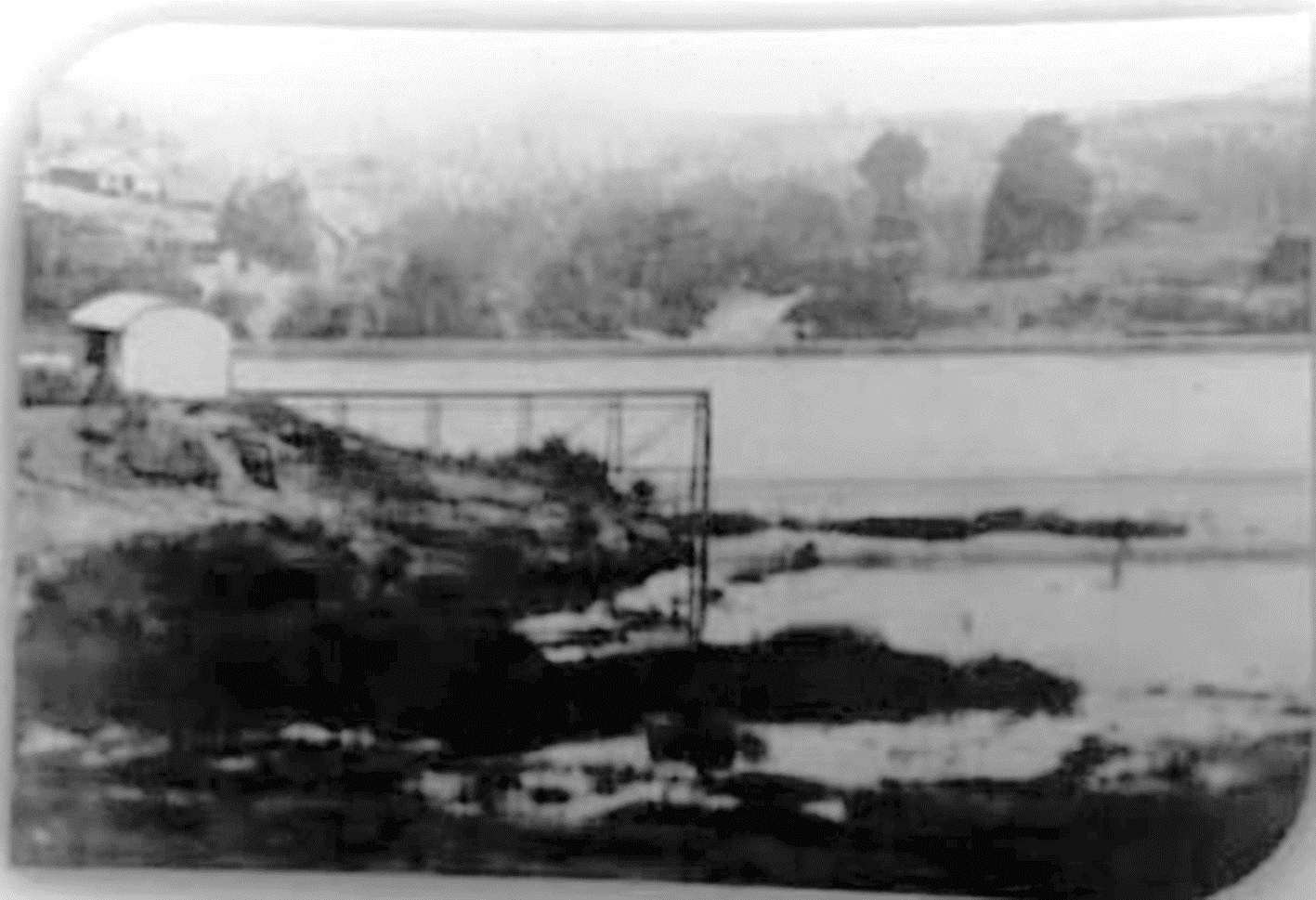 Jesselton Water Reservoir (Bukit Padang) in 1903. (Pic: Sabah Water Department)
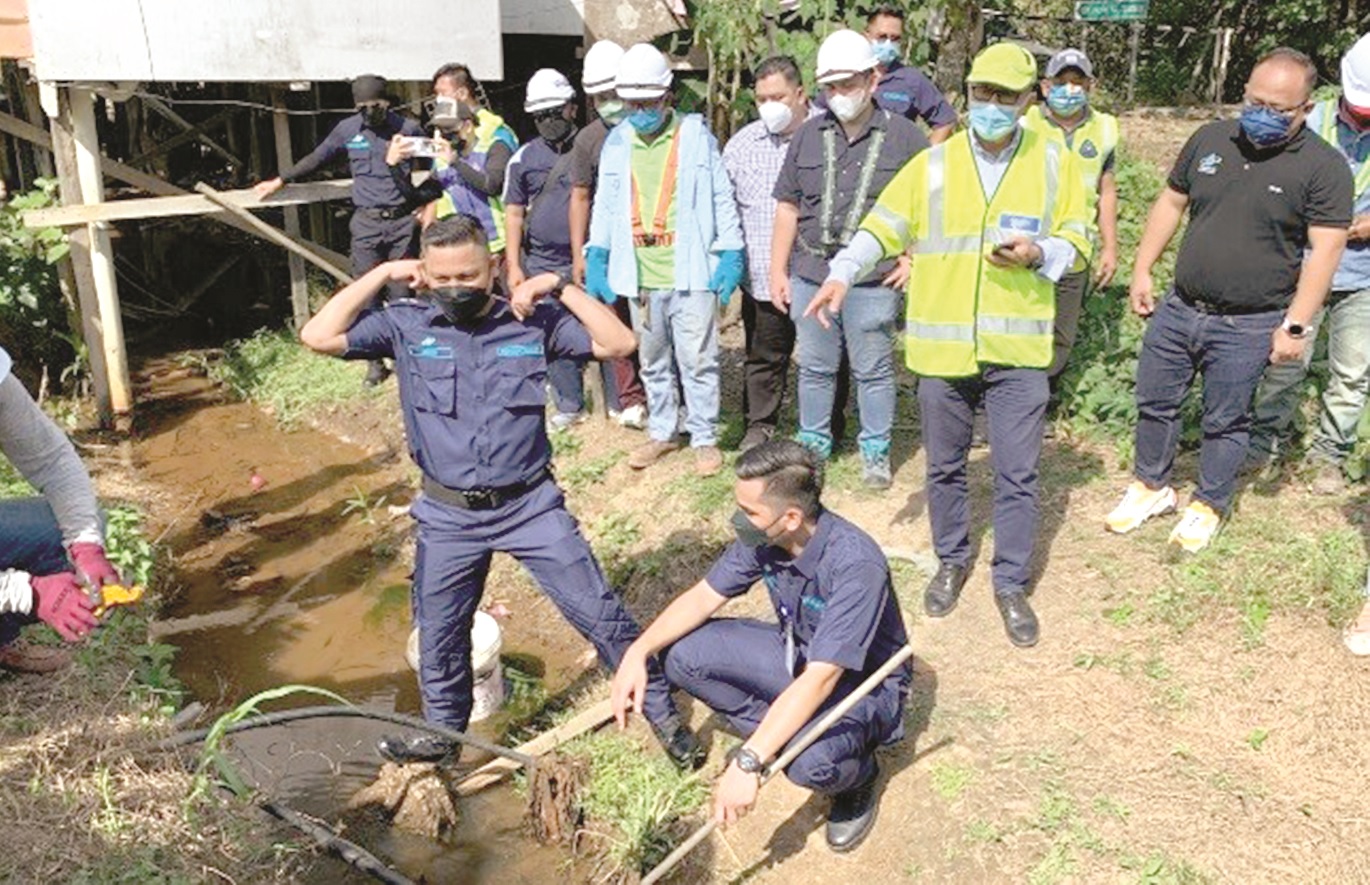 Edward leading the integrated operation to combat water theft earlier this year.
In March this year, the Sabah Legislative Assembly was informed that the State has been losing millions of Ringgit due to unpaid billing, as well as 9.5 per cent of non-revenue water wasted due to illegal piping connections.
According to State Infrastructure Development Minister Datuk Seri Bung Moktar Radin, this has made it more difficult for the Sabah Water Department to carry out its duties and provide good service in supplying clean water to the state.
A lot has happened in the 132 years since water supply development began in Sabah (then North Borneo) in 1890 under the rule of the British North Borneo Chartered Company.
This included the October 2016 case that rocked the nation when the Malaysian Anti-Corruption Commission revealed that top officials from the Water Department had amassed RM114 million in assets and RM53.7 million in cash between 2010 and 2016.
In 2011, the Department was met with displeasure from villagers from eight villages who opposed the proposed Kaiduan Dam. The present State Government has opted to proceed with the project after an 11-year delay. Proposals have been announced to transfer the proposed dam to the Papar River in Mandalipau instead.
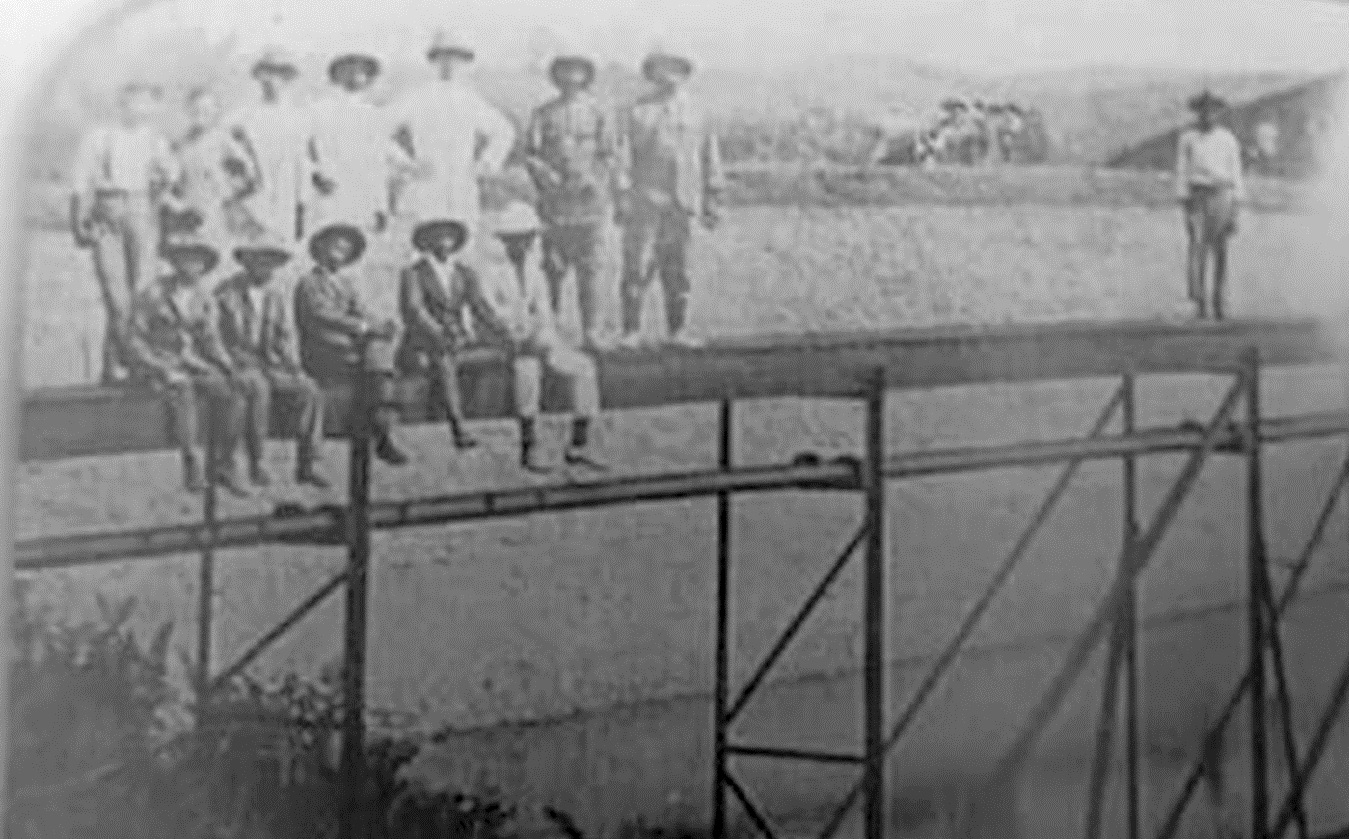
Checks with the Water Department showed that Jesselton (now Kota Kinabalu) got its first water supply from the Jesselton Water Reservoir in Tun Fuad Stephens Park in Bukit Padang, built in 1903.
It was a man-made dam that directed untreated rainfall directly to Bond Street (now Gaya Street) businesses and offices through a pipeline that ran down Reservoir Road (now Jalan Kolam).
During those days, the only reason for poor water supply was mechanical issues and deterioration in the pipeline’s endurance, resulting in water rationing being implemented in Jesselton.
Severe drought, with only 25.46 inches of rainfall between October 1957 and April 1958 caused the reservoir to go dry, prompting water supply to be pumped out from the Moyog River to the Jesselton Water Reservoir.
The new Jesselton Water Supply Scheme began operation in June 1958 and with the completion of the Kasigui Water Treatment Plant in Penampang, the water supply from the reservoir in Bukit Padang was turned off.
Today, there are an estimated 84 water treatment plants operating across the State, putting an average of 1,300 million litres of water per day to meet the needs of the population.
Long- and short-term measures have been put in place with the Sabah Works Ministry hoping to see a gradual transition from “Water Supply Services by the Water Department” to “Water Supply Industry”.
Its Minister earlier this year announced that this will be accompanied by a regulatory concept overseen by a Commission, as well as a trend toward corporatisation.
Edward leading the integrated operation to combat water theft earlier this year.
In March this year, the Sabah Legislative Assembly was informed that the State has been losing millions of Ringgit due to unpaid billing, as well as 9.5 per cent of non-revenue water wasted due to illegal piping connections.
According to State Infrastructure Development Minister Datuk Seri Bung Moktar Radin, this has made it more difficult for the Sabah Water Department to carry out its duties and provide good service in supplying clean water to the state.
A lot has happened in the 132 years since water supply development began in Sabah (then North Borneo) in 1890 under the rule of the British North Borneo Chartered Company.
This included the October 2016 case that rocked the nation when the Malaysian Anti-Corruption Commission revealed that top officials from the Water Department had amassed RM114 million in assets and RM53.7 million in cash between 2010 and 2016.
In 2011, the Department was met with displeasure from villagers from eight villages who opposed the proposed Kaiduan Dam. The present State Government has opted to proceed with the project after an 11-year delay. Proposals have been announced to transfer the proposed dam to the Papar River in Mandalipau instead.
Checks with the Water Department showed that Jesselton (now Kota Kinabalu) got its first water supply from the Jesselton Water Reservoir in Tun Fuad Stephens Park in Bukit Padang, built in 1903.
It was a man-made dam that directed untreated rainfall directly to Bond Street (now Gaya Street) businesses and offices through a pipeline that ran down Reservoir Road (now Jalan Kolam).
During those days, the only reason for poor water supply was mechanical issues and deterioration in the pipeline’s endurance, resulting in water rationing being implemented in Jesselton.
Severe drought, with only 25.46 inches of rainfall between October 1957 and April 1958 caused the reservoir to go dry, prompting water supply to be pumped out from the Moyog River to the Jesselton Water Reservoir.
The new Jesselton Water Supply Scheme began operation in June 1958 and with the completion of the Kasigui Water Treatment Plant in Penampang, the water supply from the reservoir in Bukit Padang was turned off.
Today, there are an estimated 84 water treatment plants operating across the State, putting an average of 1,300 million litres of water per day to meet the needs of the population.
Long- and short-term measures have been put in place with the Sabah Works Ministry hoping to see a gradual transition from “Water Supply Services by the Water Department” to “Water Supply Industry”.
Its Minister earlier this year announced that this will be accompanied by a regulatory concept overseen by a Commission, as well as a trend toward corporatisation.