SANDAKAN: Lorry operators transporting Fresh Fruit Bunches (FFB) from plantations to mills urged the Government to review the implementation of the BUDI Diesel programme, warning that their exclusion from the targeted subsidy scheme could disrupt a critical link in Sabah’s palm oil supply chain.
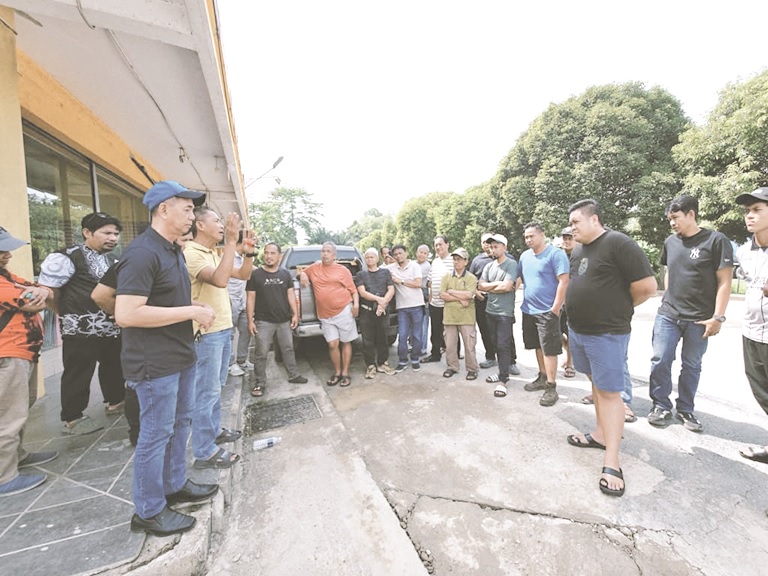
About 50 operators gathered here on Saturday to voice their concerns, saying tipper lorries were among vehicles left out of the subsidy despite being responsible for transporting FFB from estates to collection centres and mills.
Advertisement

They estimate there are about 200 tipper lorry operators in Sandakan alone, serving plantations across Sandakan, Beluran, Telupid and Paitan, with journeys ranging from 70km to more than 300km depending on the location of the estates.
Operator Voo Lip Chung, 47, said his family’s two tipper lorries, their only source of income, had remained idle since the implementation of BUDI Diesel on July 1 because rising operating costs had made the business unviable.
“Tyres have gone up, spare parts have gone up and diesel is almost RM4 a litre. We simply can’t cover the cost anymore.
“Other lorries receive subsidies. We also drive lorries. We also have families to feed,” he said.
Another operator, Muhammad Syahrul Silaina, said tipper lorries consumed large amounts of diesel because of the long distances travelled between plantations and mills in Sabah.
He said many operators are struggling to meet their bank commitments as haulage rates had yet to be revised despite soaring operating costs.
“Most of our tipper lorries are now parked. We are trying to negotiate with the industry, but no one can tell us yet whether transport rates will be revised,” he said.
Representing the operators, Mohd Saddam Suding said tipper lorries were the main mode of transport moving FFB from plantations to mills.
“Without us, fresh fruit bunches will not reach the mills,” he said, urging the Government to take the issue seriously.
He added that Sabah’s road conditions and geography were very different from those in Peninsular Malaysia, resulting in significantly higher diesel consumption for tipper lorries.
Present was Gum-Gum Assemblyman Arunarnsin Taib, who questioned why tipper lorries had been excluded from the subsidy.
“If the lorries transporting oil palm fruit from plantations to the mills cannot operate, what are the mills going to process?” he asked.
The operators said many were now reconsidering whether to continue operating, as diesel prices had risen from RM2.15 to RM3.97 per litre while costs for tyres, spare parts, maintenance and workers’ wages continued to increase.
They said a typical trip could generate around RM2,000 in revenue, but diesel alone could cost about RM1,000, excluding wages and maintenance expenses, leaving little margin to sustain their businesses.
The operators urged the Federal Government to include tipper lorries transporting FFB under the BUDI Diesel subsidy scheme, saying their exclusion failed to reflect Sabah’s geographical realities and the industry’s dependence on road transport to move harvests from plantations to mills.