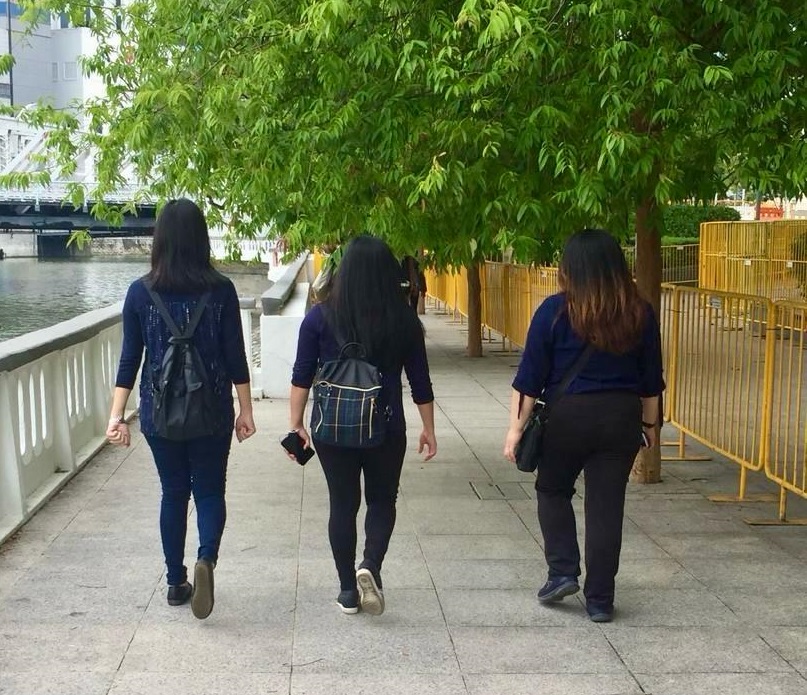
AS record-breaking heatwaves continue to grip Europe and parts of the United States, exposing how many cities were never designed to cope with prolonged extreme heat, veteran Sabah environmentalist Dr Henry KF Chok believes Kota Kinabalu still has an opportunity to avoid making the same mistakes.
Scientists say climate change is making heatwaves more frequent and intense, while cities dominated by concrete, asphalt and limited vegetation trap and radiate heat, creating what is known as the “urban heat island” effect. Across Europe, authorities have struggled with infrastructure built for cooler climates, highlighting the importance of designing cities that can withstand a warmer future.
Advertisement

For Dr Chok, the lessons are clear.
“Development is inevitable,” he said. “The question is not whether we develop, but whether we plan properly.”
Dr Chok brings decades of experience in architecture, property development, urban planning and environmental conservation to the debate over Kota Kinabalu’s growing number of shopping malls among other commercial development. Besides founding the Sabah Environmental Protection Association (SEPA) more than 40 years ago, he has also been involved in urban development and planning, giving him a unique perspective on how commercial growth should be balanced with environmental sustainability and the long-term needs of the city.
Having witnessed Kota Kinabalu’s transformation from a small coastal town into Sabah’s capital, Dr Chok believes growth must never come at the expense of long-term liveability.
Looking back over the decades, he recalled a very different Kota Kinabalu.
“There were thousands of flying foxes. Every evening around four or five o’clock, you could see them flying from Pulau Gaya across Kota Kinabalu towards the interior.
“There were also green pigeons everywhere. There were even deer around this area. Today, they are gone.”
While he accepts that urbanisation inevitably changes the landscape, he said the disappearance of greenery and wildlife habitats should not simply be regarded as the price of progress.
“We have lost a lot of greenery because of development. That is normal.
“The question is, how do we sustain it? If we lose trees in one place, can we replace them somewhere else? We never really had that policy.”
He believes planning decisions must always consider the needs of future generations.
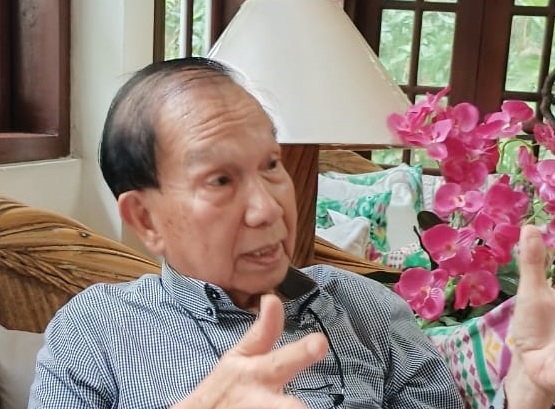
“Some areas were meant to remain water catchment areas but were later rezoned.
“Today our population is still manageable, but when it grows further, where will our water come from?
“When we plan, we must think ahead and stick to the plan.”
Drawing on his experience in urban planning and municipal administration, Dr Chok said long-term planning often gives way to short-term solutions.
“Planning is very important. Once you have planned where roads, utilities and green spaces should be, you should stay with the plan.
“Instead, whenever there is a problem, we bulldoze everything. Trees are cut down to widen roads or accommodate new developments.”
Environmental voices matter
Dr Chok said SEPA had previously played an active role in urban planning through its participation in Environmental Impact Assessment (EIA) panels and discussions involving environmentally sensitive areas.
“We were involved in urban planning. We sat on EIA panels and contributed to discussions on environmentally sensitive areas.
“But today, people are becoming afraid to speak up. That is a problem.”
He believes independent environmental voices remain essential in ensuring development decisions take into account not only economic considerations but also the long-term wellbeing of communities.
The cost of a concrete jungle
One of Dr Chok’s biggest concerns is the increasing number of high-rise developments that leave little room for trees and vegetation.
“We raised this issue many years ago.
“Why are we building a concrete jungle?
“When you build condominiums, you remove almost all the greenery. Many developments become one complete concrete block.”
He said this has consequences beyond aesthetics.
“Roads create hotspots. Concrete buildings create hotspots.
“When the sun shines, they absorb the heat and radiate it back.”
Although technology now offers solutions such as solar panels and energy-efficient buildings, Dr Chok believes greenery has not received the same attention.
“We should be promoting green buildings and green condominiums.
“How many of our condominiums are truly green?”
Learning from Singapore
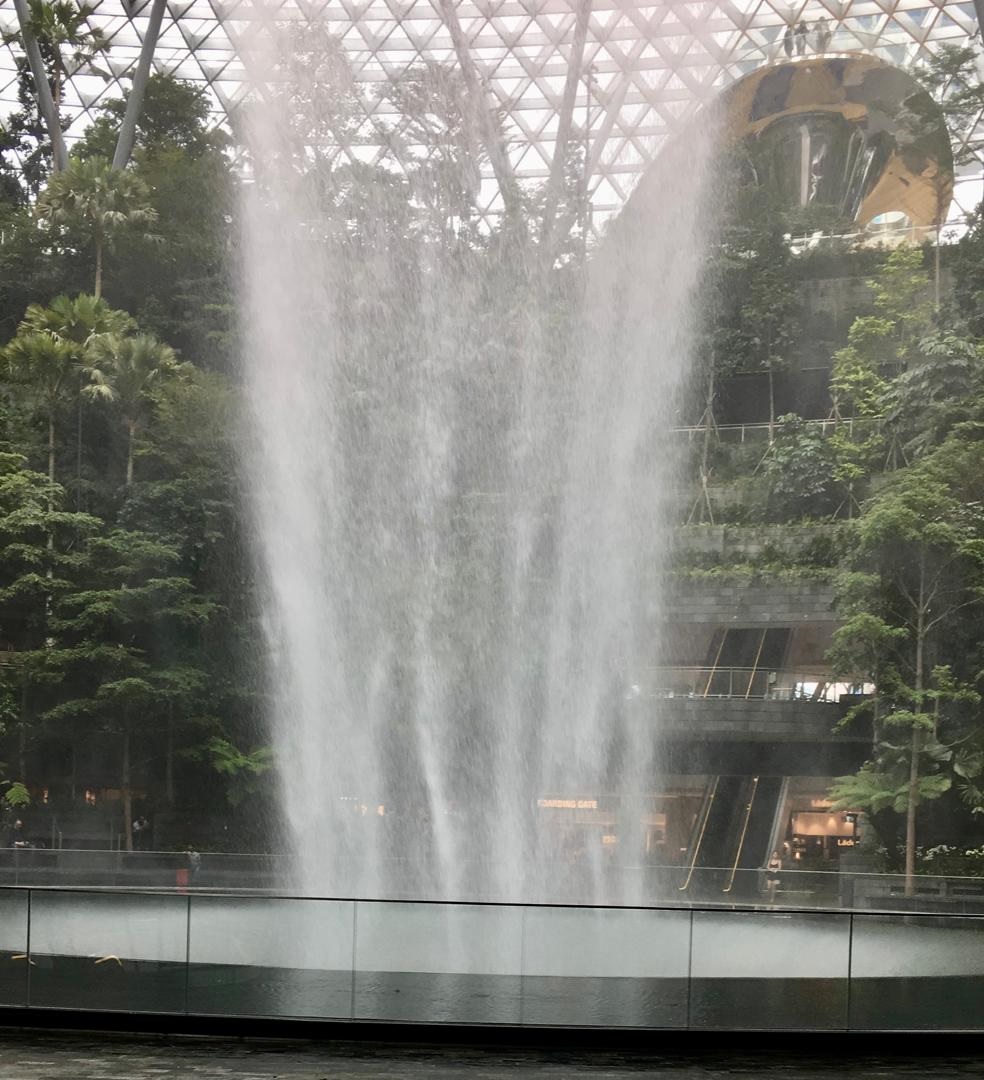
Dr Chok pointed to Singapore as an example of how development and environmental conservation can coexist.
“They have preserved many of their roadside trees while managing traffic through good planning.
“It shows that development and greenery do not have to be mutually exclusive.”
He believes Sabah can similarly draw on modern expertise in landscape architecture, arboriculture and sustainable urban planning.
Reflecting on his years with the former Kota Kinabalu Municipal Council, where he chaired its greenery committee, Dr Chok recalled planting many of the coconut trees that lined the coastal area.
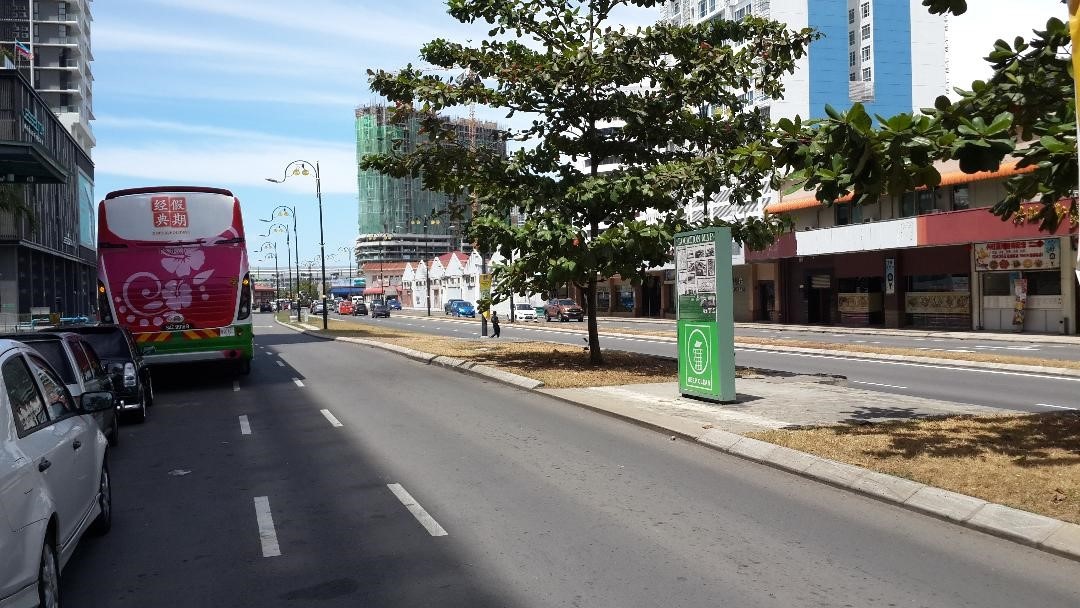
At the same time, he readily acknowledged that knowledge and expertise have advanced considerably since then.
“At that time, I was not a tree expert. We planted what we thought was suitable.
“Today, we have specialists who understand which trees are best suited for different environments.
“We should involve them in planning from the very beginning.”
Planning for the next generation
For Dr Chok, the issue is not whether Kota Kinabalu should continue to grow, but whether the city is preparing itself for the challenges that future generations will face.
“The advice has always been the same,” he said.
“We need proper planning, and we need a long-term vision.
“Use the expertise that is available. Don’t make decisions in isolation.”
Having spent more than four decades advocating for environmental protection – from campaigns to safeguard Likas Bay to promoting stronger environmental governance in Sabah – Dr Chok believes the conversation is more urgent today than ever before.
As cities around the world grapple with more frequent heatwaves and rising temperatures, Dr Chok believes Kota Kinabalu still has an opportunity to avoid repeating mistakes made elsewhere.
“Development is necessary,” he said.
“But if we don’t plan properly, future generations will pay the price.”