
Advertisement

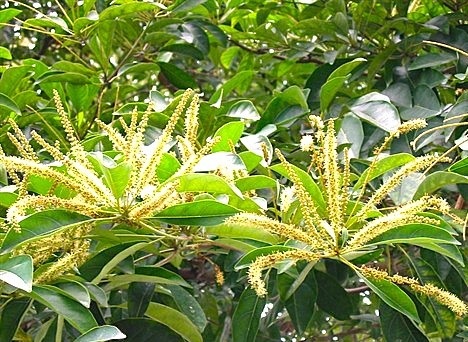 With fruits and seeds, winged structures help greatly to disperse planting materials over a wider stretch of area. Such dispersals involve mechanisms and ways that make them an interesting subject which is within the field of expertise of botanists and perhaps agricultural engineers too.
Advertisement
Advertisement
 And yet another variety is known as the mentalun tree or Terminalia calamansanai. This genus has around 200 species that are spread all over tropical and subtropical zones particularly in the countries of South East Asia, with its native grounds ranging from Bangladesh right up to the Solomon Islands.
Mentalun trees are large shady trees with heights often reaching 30-40 metres and spreads of 15-25 metres. Although it is not commonly seen around urban areas, the tree flourishes in the peripheries of jungles and untended so-called wild zones of jungles, belukars and bushes.
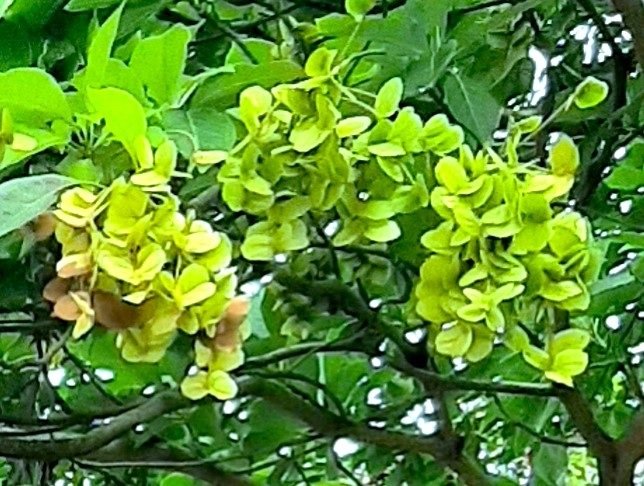
Mature fruits are brownish and they feel dry to the touch. They do not open to release the seeds but instead the task to open the fruit and disperse the seeds is left to nature. Each fruit has an elongated wing on either side which helps to carry the seeds to cover more grounds. When strong winds arise, the distance covered may be surprisingly great, thus landing the fruits on differing ground conditions and locations.
And yet another variety is known as the mentalun tree or Terminalia calamansanai. This genus has around 200 species that are spread all over tropical and subtropical zones particularly in the countries of South East Asia, with its native grounds ranging from Bangladesh right up to the Solomon Islands.
Mentalun trees are large shady trees with heights often reaching 30-40 metres and spreads of 15-25 metres. Although it is not commonly seen around urban areas, the tree flourishes in the peripheries of jungles and untended so-called wild zones of jungles, belukars and bushes.
Mature fruits are brownish and they feel dry to the touch. They do not open to release the seeds but instead the task to open the fruit and disperse the seeds is left to nature. Each fruit has an elongated wing on either side which helps to carry the seeds to cover more grounds. When strong winds arise, the distance covered may be surprisingly great, thus landing the fruits on differing ground conditions and locations.
 During dry seasons, the fruit wall becomes very dry and hard but on arrival of the rainy season, the entire fruit becomes soaked thoroughly. In this way, the fruit wall, together with the wings, are able to absorb sufficient water to soften the entire structure.
Although some insects such as beetles or bugs may chew at the wet softened fruit, the fact remains that the main tool of a breakout is by the plumule and radicle. With a softer fruit wall, it is easier for the radicle to punch through it to establish the first roots, and for the plumule to penetrate the fruit wall to grow its first green shoot.
Being terrestrial perennial trees that thrive mainly in the warm climatic regions, mentalun trees are tough and hardy and they are able to thrive well without much care and attention. Once mature, they make very good shade trees with their large canopies and good height. However, the leaf and fruit falls require some clearing if they are planted too near houses or offices but these waste materials may be easily converted into compost to further benefit the garden in situ, or else bartered for some useful products, or even sold for some extra cash to put better food on the table.
During dry seasons, the fruit wall becomes very dry and hard but on arrival of the rainy season, the entire fruit becomes soaked thoroughly. In this way, the fruit wall, together with the wings, are able to absorb sufficient water to soften the entire structure.
Although some insects such as beetles or bugs may chew at the wet softened fruit, the fact remains that the main tool of a breakout is by the plumule and radicle. With a softer fruit wall, it is easier for the radicle to punch through it to establish the first roots, and for the plumule to penetrate the fruit wall to grow its first green shoot.
Being terrestrial perennial trees that thrive mainly in the warm climatic regions, mentalun trees are tough and hardy and they are able to thrive well without much care and attention. Once mature, they make very good shade trees with their large canopies and good height. However, the leaf and fruit falls require some clearing if they are planted too near houses or offices but these waste materials may be easily converted into compost to further benefit the garden in situ, or else bartered for some useful products, or even sold for some extra cash to put better food on the table.
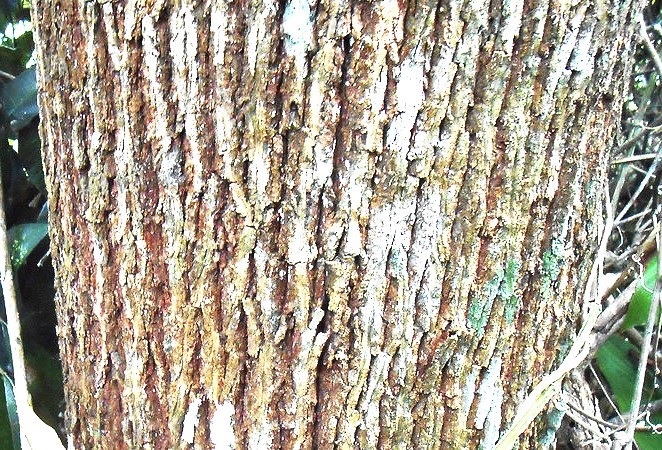
 The trunks of mentalun trees are mostly straight with their barks that have shallow longitudinal fissures in greyish to yellowish brown. The wood from the trunk is hard and fine with many kampung carpenters knowing how to maximise on them to set up stools, tables, chairs and other light furniture fittings.
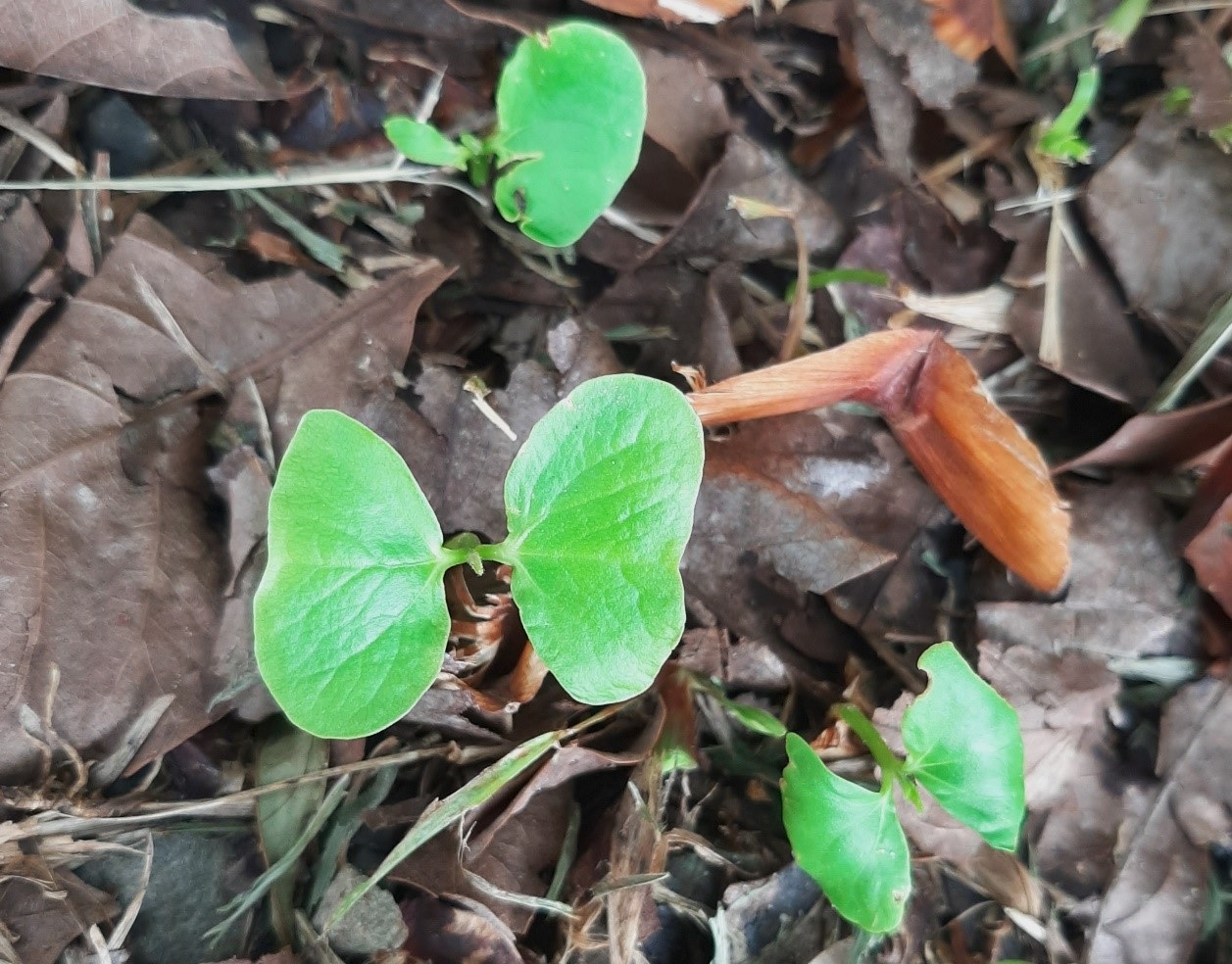
While it is not difficult to cultivate through vegetative propagation, the simpler way is to use seeds to start a new colony of mentalun saplings. However, the simplest way is to collect the seedlings that sprout plentifully below the canopy or around the areas surrounding the mature trees. Seedlings around 3-5 cm in height are easiest to collect but those about 10 cm tall are not difficult to dig out too.
These seedlings may initially be set in polybags before a decision is made on where to plant them.
The writer may be reached at: [email protected]
The trunks of mentalun trees are mostly straight with their barks that have shallow longitudinal fissures in greyish to yellowish brown. The wood from the trunk is hard and fine with many kampung carpenters knowing how to maximise on them to set up stools, tables, chairs and other light furniture fittings.
While it is not difficult to cultivate through vegetative propagation, the simpler way is to use seeds to start a new colony of mentalun saplings. However, the simplest way is to collect the seedlings that sprout plentifully below the canopy or around the areas surrounding the mature trees. Seedlings around 3-5 cm in height are easiest to collect but those about 10 cm tall are not difficult to dig out too.
These seedlings may initially be set in polybags before a decision is made on where to plant them.
The writer may be reached at: [email protected]