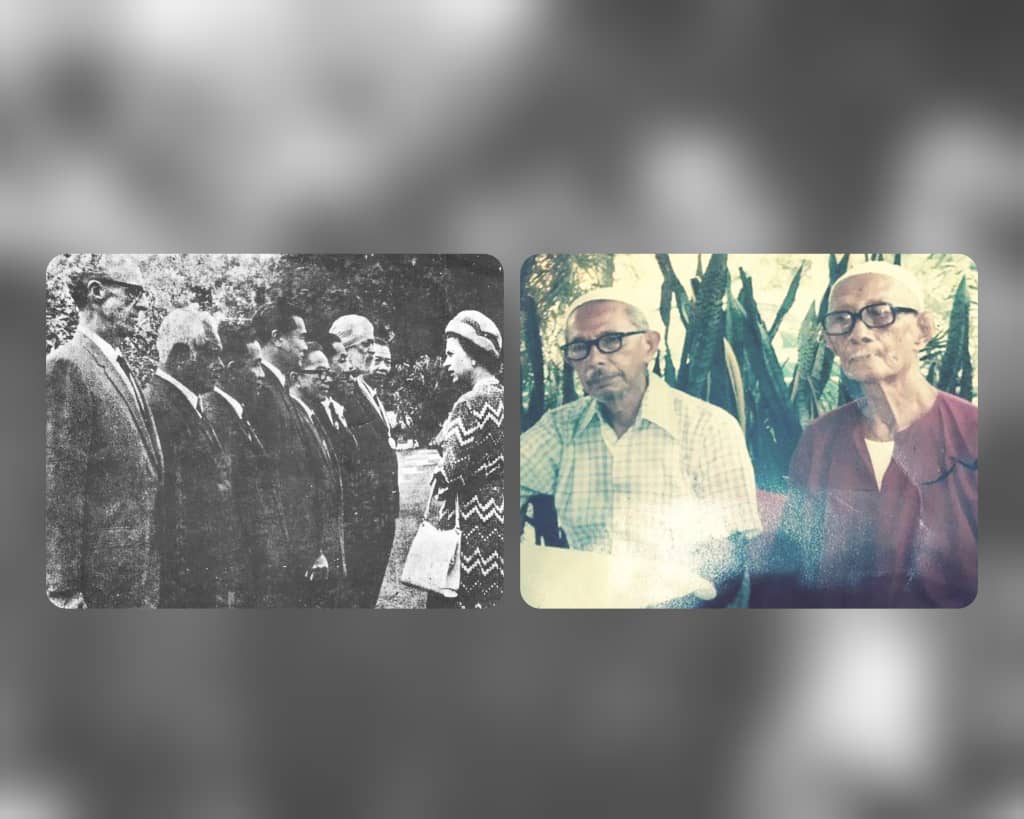
SO much of our past especially in the Indian community in Sabah and Labuan has been forgotten, especially in the years before and after the formation of Malaysia.
Personalities are merely remembered in casual conversations but never written about or talked about historically or remembered any longer for their contributions to society.
My grandfather, Gurbax Singh Sandhu was born on the 2nd June 1907 and was a man who was much respected and loved on the island of Labuan.
Born a third generation Sikh on the island, Gurbax Singh founded North Borneo’s first Indian Association of North Borneo in 1936 and served as a community leader for the Indians and Sikhs on Labuan Island. In 1968, he built a Sikh Temple for the Sikh community on the island. To Gurbax, it didn’t matter if one was Malay or Chinese. He treated everyone the same and was more than happy to have a meal or a drink with anyone, rich or poor.
I remember as a little boy looking up at this six-foot giant who had green eyes; he had presence and an aura whenever he walked into a room. You knew he was in the room by his sheer presence and energy. And when he spoke, everyone listened. Having survived the horrors of the Labuan Internment camp under the Japanese, he owed his life to a friend who arrived from Singapore before the war with his two sisters, seeking a new life on the island.
Haji Abu Bajak arrived in Labuan jobless and without a home and had to support his two sisters.
He went from shop to shop seeking employment and met my grandfather who offered him and his sisters a place to live and meals whilst he helped arranged for the Haji to be employed at the local hospital in the dispensary. Haji Abu Bajak would eventually move to a small village home in Kampung Gersik before the onset of the Second World War after building up his savings.
The friendship would continue until the day my grand father was arrested and sent to Labuan Internment Camp where he suffered under the Japanese. We believe he had served as a volunteer in the Royal Air Force at the sea plane fuel depot on Labuan Island that was used for refuelling sea planes that flew between Singapore and Hong Kong.
The fuel dump was destroyed prior the Japanese landings in early January 1942 and my grandfather went back to civilian life for a short while before he was betrayed and arrested on suspicion of hiding a radio set in the northern side of Labuan Island to communicate with the allies.
Realising the man who once helped him was now in great difficulties, Haji Abu Bajak came to his aid by helping to regularly smuggle medicines into the internment camp as he knew my grandfather was terribly ill with dysentery and was not being fed regularly by the Japanese.
It was because of Haji Abu Bajak’s efforts that Gurbax Singh survived. Our families have had a lifetime bond ever since from generation to generation.
I remember asking my uncle if my grandfather had an opinion on how the Japanese treated him and the other prisoners. His only answer was “very brutal and barbaric.”
What made this friendship between Haji Abu Bajak and Gurbax Singh even more special is that it didn’t matter that my grandfather was Sikh and Haji Abu Bakar was Muslim; both saw past religion and shared a common bond as human beings; they respected each other. Friendship mattered more.
When the Haji came to Labuan homeless and jobless, my grandfather saw a fellow human being in difficulty and felt a sense of compassion for a fellow human being.
The goodwill was returned later in life when my grandfather too suffered great difficulties under Japanese rule.
My grandfather would go on to serve as an honorary Police Inspector on Labuan Island before retiring. He is fondly remembered as a man who brought the Labuan community together during the dark days at the end of the war when Labuan town was destroyed by bombings by both the American and Australian air forces. He was much loved by the people of Labuan and was known as “Towkay Gurbax Singh.” He united the Labuan community and was a proud man who was known to be kind and forgiving but a man of principles: right was right, wrong was wrong.
In his eyes, he saw the community for who they were and not what race or religion they came from. And that mattered more to him than any other friendship could give.
When Towkay Gurbax Singh Sandhu passed away on at the age of 72 on Thursday, 19th April 1979, his cremation was attended by hundreds of Islanders. Malays, Chinese and Indians from all walks of life were there to say farewell to the towkay they knew through good times and bad times, and who had been their friend and an integral leader.
Haji Abu Bajak sadly passed away some year’s back after performing the haj at Mecca whilst at the airport in Saudi Arabia while waiting to fly back to Malaysia.
This bond that existed between the late Haji Abu Bajak and Gurbax Singh reminds us that both men saw themselves as human beings and that that friendships can last a lifetime through good times and bad times and that sometimes being a little bit humane to our fellow man and to show compassion during difficult times can make a difference in how we live our lives as human beings for as long as we shall live.
This hand of friendship from the Towkay to the Haji would be repaid in kind when the roles were reversed and in this, I offer no other better story to share of how human beings and fellow Malaysians were able to aid each other in difficult times. We all can be a little kinder to each other and a little bit more tolerant and understanding, if we only tried.
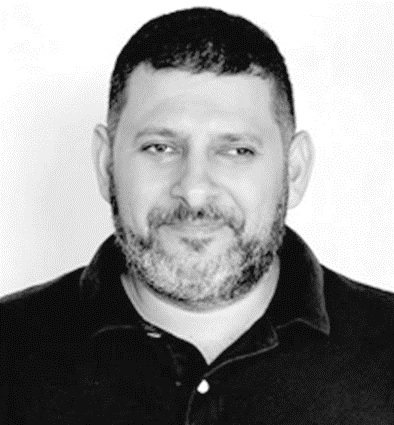 - Avtar Singh is an avid sportsman and follows development in Labuan and Sabah.