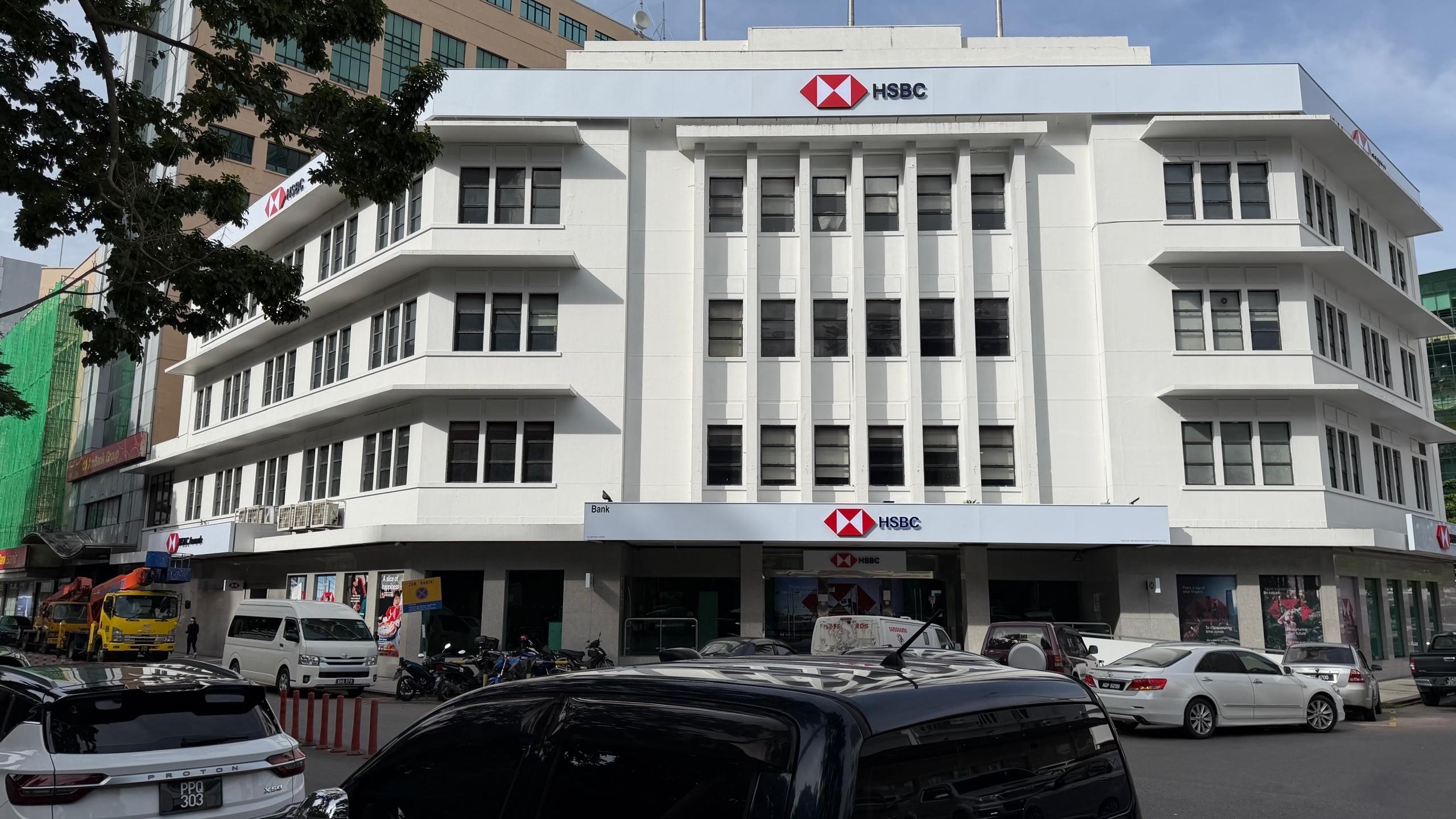
SABAH has the ingredients to become one of the region’s most attractive destinations for sustainable investment, impact finance and cross-border trade, but unlocking that potential will depend on building a strong pipeline of bankable projects backed by sound governance, according to HSBC Malaysia Chief Executive Officer Dato’ Omar Siddiq.
Speaking to the Daily Express on the sidelines of the Sabah Asia-Pacific Impact Investing and Sustainable Development Summit 2026, Omar said Sabah possesses unique strengths that global investors are increasingly seeking, particularly its rich natural capital, strategic location within Asean and North Asia, and growing opportunities in sustainable development.
Advertisement

However, he stressed that attracting international capital requires more than good intentions.
“The primary focus should be in creating investable opportunities that can attract capital at scale,” he said.
According to Omar, investors today are looking for projects supported by transparent governance, measurable environmental and social outcomes, robust reporting systems, clear legal frameworks and fair community benefit-sharing mechanisms.
“When these are in place, nature-based finance moves from interesting to investable, and it can attract larger pools of capital.”
Building Sabah’s investment future
Sabah has placed significant emphasis on developing its Blue Economy, sustainable agriculture and nature-based solutions.
Omar believes these sectors present tremendous opportunities, but said they must be packaged in ways that meet international investment expectations.
He noted that Sabah’s abundant natural resources, biodiversity and tourism assets are complemented by pressing development needs, including improvements in rural connectivity, transport infrastructure, electricity reliability and clean water supply.
These needs, he said, are well suited for impact investing – investments that seek both financial returns and measurable social or environmental benefits.
“Sabah is already positioning itself as a dual hub for trade and tourism.
“In helping Sabah and Sabahans realise their potential, we see the need for further investment in rural connectivity, road infrastructure, power reliability and clean water access.
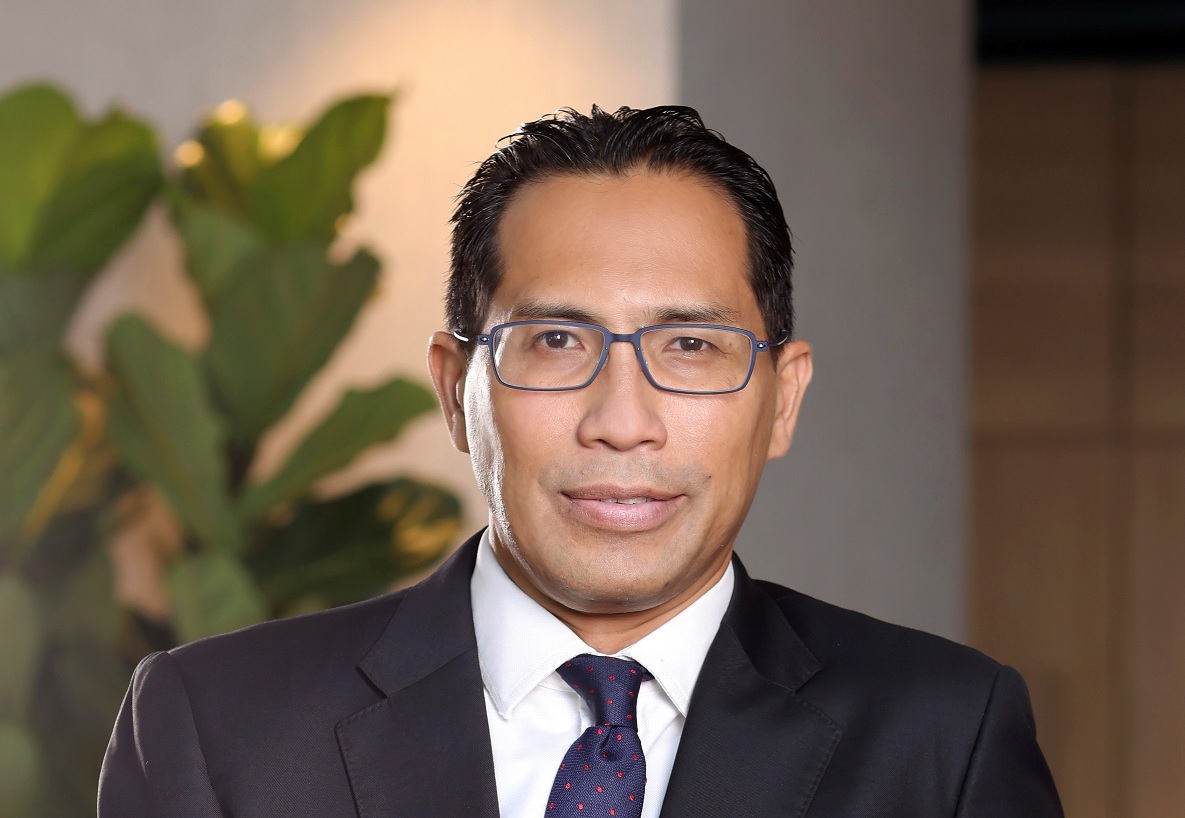
“This is precisely the gap that impact investing can facilitate.”
He added that investors increasingly require clear risk-sharing principles, legal certainty over permits and land matters, transparent carbon and biodiversity credit pricing, credible long-term buyers and strong systems for measuring and verifying environmental outcomes.
HSBC bringing global expertise
Omar said HSBC’s international experience enables it to connect Sabah with global capital markets and international investors.
Between 2020 and 2025, HSBC globally delivered approximately US$500 billion in sustainable finance and investment, progressing towards its ambition of facilitating between US$750 billion and US$1 trillion by 2030.
That experience, he said, allows Sabah’s project sponsors to access internationally recognised financing structures and global investment standards.
“We are bringing more than products.
“We are bringing capability and connectivity.”
Rather than offering only conventional banking services, HSBC provides a broad range of financing solutions tailored to different assets, investor requirements and cashflow structures.
These include both conventional and Islamic financing.
Financing SMEs for the future
While multinational investments often dominate headlines, Omar emphasised that Sabah’s small and medium enterprises (SMEs) remain central to the state’s economic transformation.
The challenge, he said, is helping businesses outside major urban centres connect with regional supply chains, overseas buyers and financing.
“To bridge the gap for rural and tier-two businesses, the priority is connecting local opportunity to regional supply chains, buyers and financing, so businesses can participate in global trade corridors.”
HSBC’s global presence, he explained, enables the bank to bring together businesses, investors and stakeholders while offering financing tools such as supply chain financing that strengthen entire value chains.
The bank is also supporting businesses through both conventional banking and HSBC Amanah Malaysia’s Shariah-compliant offerings.
These include sukuk, Islamic trade finance and Ijarah financing, particularly suited to infrastructure projects and other long-term asset-backed developments.
Blended finance gaining momentum
Omar said a variety of financing instruments are already helping sustainable projects move forward.
Among them are green bonds, blended financing involving government participation, venture capital and impact investment.
He also highlighted the growing importance of Social Stock Exchanges.
According to him, these platforms improve visibility and credibility for social enterprises while strengthening governance and impact reporting.
“They help investors identify credible impact opportunities and create a bridge between social enterprises and capital providers.”
Supporting traditional industries through transition
While sustainability has become a major investment priority, Omar acknowledged that Sabah’s traditional economic sectors – particularly palm oil and oil and gas – remain vital contributors to the state’s economy.
Rather than withdrawing support, HSBC is working alongside customers as they transition towards lower-carbon operations.
“Supporting our customers’ transition to a low-carbon economy is central to HSBC’s net-zero ambition.”
He said the bank continues financing customers taking credible steps to reduce emissions while improving sustainability within their businesses.
This approach combines financing solutions, transition expertise and HSBC’s international network to help businesses remain competitive as global market expectations evolve.
What investors want
Looking ahead, Omar believes Sabah can significantly increase private investment if government agencies, businesses and financial institutions work together to develop a clear investment pipeline.
He said investors are looking for more than concepts.
They want projects with identified sponsors, realistic timelines, measurable outcomes and clearly defined next steps.
Equally important, he said, are transparent monitoring systems, safeguards for local communities and risk-sharing frameworks that allow public and private sectors to work together.
“Private capital can scale when there is a shared integrity baseline, proper measurement, reporting and verification, safeguards, community benefit sharing and a risk-sharing plan where the public sector and partners agree what risks they can take.”
For Omar, Sabah’s future is not limited by a lack of investor interest.
Instead, the challenge is transforming the state’s vast natural advantages into investment-ready opportunities capable of attracting capital from around the world.
“If those foundations are in place,” he said, “the capital is there.”
Nearly eight decades in Sabah
HSBC’s relationship with Sabah stretches back almost eight decades.
The bank opened its first Jesselton branch – now Kota Kinabalu – in 1947, primarily supporting the State’s timber, rubber and export industries.
Branches in Sandakan and Tawau followed in 1948.
Today, HSBC’s Jalan Gaya branch continues serving Sabah’s international banking, trade finance and wealth management needs.
Ahead of the institution’s 80th anniversary in Sabah next year, it will leverage its global network to deepen trade connectivity and wealth management for the State.