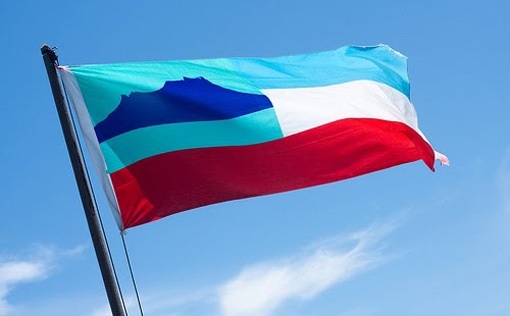
MORE than six decades have passed since Sabah became part of Malaysia. During that time, our state has made undeniable progress. Roads have improved, towns have expanded, and opportunities have grown. Yet many Sabahans still feel that our development has not kept pace with our enormous potential.
This is not a criticism born out of pessimism. It is an expression of hope.
Advertisement
Sabah possesses extraordinary advantages that many regions around the world would envy.
We are home to some of the richest biodiversity on Earth, vast tracts of agricultural land, abundant sunshine, an expanding tourism industry, and a population that is resilient, hardworking and deeply connected to the environment.
We also retain significant autonomy in many aspects of governance, providing us with the opportunity to pioneer solutions that are tailored to our unique needs rather than simply replicating models from elsewhere.
The question is no longer whether Sabah can develop. The question is what kind of development we choose.
Around the world, cities and regions are rethinking how they grow.
They recognise that economic prosperity and environmental sustainability are no longer competing priorities. Instead, they go hand in hand.
Clean transport, renewable energy, effective waste management and greener urban planning improve public health, create jobs, attract investment and make communities more resilient.
Sabah has every reason to lead this movement within Malaysia.
One of the first areas where we should be thinking more boldly is public transportation. As our road network continues to improve, planning should begin for an electric tram system connecting major urban centres and high-density residential areas.
Trams operating at regular 20- to 30-minute intervals would provide a reliable alternative to private vehicles, easing congestion while reducing carbon emissions.
Public transport should not exist in isolation.
Dedicated cycling lanes should be integrated alongside these transport corridors, creating safe routes for cyclists and encouraging more people to choose active transport.
Such infrastructure would not only reduce pollution but also improve public health by making walking and cycling practical choices rather than difficult ones.
Transportation alone, however, will not define Sabah's sustainability journey.
Energy security remains a challenge, particularly in rural communities where electricity supply can sometimes be unreliable.
Fortunately, Sabah enjoys one of the greatest renewable resources imaginable: sunshine.
Across the state, countless homes have large roof spaces suitable for solar panels. A statewide initiative that provides grants, low-interest financing or tax incentives could encourage households to install rooftop solar systems.
Families would benefit from lower electricity bills, rural communities could become more energy resilient, and the state would reduce its dependence on fossil fuels.
This is not merely an environmental policy; it is an economic investment that pays dividends over decades.
Waste management is another area where Sabah has an opportunity to become a national leader. Recycling should be convenient, not an inconvenience.
Every residential neighbourhood should have accessible recycling bins with scheduled weekly collection. Residents are far more likely to recycle when the necessary infrastructure is readily available.
At present, many people who wish to recycle must make special trips to dedicated recycling centres. While these centres are commendable, they are insufficient for a rapidly growing population.
Recycling should become part of everyday life rather than an occasional activity requiring significant effort.
Food waste deserves equal attention. Every day, tonnes of organic waste are discarded into landfills where they produce methane, one of the most potent greenhouse gases.
Community composting facilities and industrial-scale composting centres would allow food waste to be transformed into nutrient-rich compost for agriculture, landscaping and community gardens.
Considering Sabah's strong agricultural sector, such an initiative would create a circular economy in which waste becomes a valuable resource rather than an environmental burden.
Plastic pollution presents another challenge that requires decisive leadership.
Single-use plastics continue to contaminate rivers, beaches and marine ecosystems that are central to Sabah's tourism industry and natural heritage.
A phased reduction in single-use plastics, accompanied by affordable alternatives and public education campaigns, would position Sabah as a pioneer in environmental stewardship.
Many countries and cities have already demonstrated that these measures are achievable without harming businesses.
With careful planning and consultation, Sabah can do the same.
These proposals are not simply environmental aspirations. They are investments in economic competitiveness. Increasingly, investors, tourists and talented professionals are drawn to places that prioritise sustainability, innovation and quality of life.
Green infrastructure creates employment, stimulates new industries and reduces long-term public expenditure on pollution and waste management.
Perhaps more importantly, these investments reflect the values we hope to pass on to future generations.
Our children deserve clean rivers, reliable public transport, resilient energy systems and communities designed with people rather than traffic in mind.
Sabah has never lacked ambition. What has often been missing is the confidence to think on a larger scale.
History shows that transformative progress begins with a vision that initially seems ambitious.
Today's modern airports, highways and digital infrastructure were once considered unrealistic.
Sustainability should be viewed in the same way—not as an optional environmental agenda, but as the foundation upon which Sabah's next phase of development will be built.
This is therefore a call to our elected representatives, local authorities, businesses, community leaders and every Sabahan.
Let us look beyond short-term political cycles and commit ourselves to building a state that future generations will be proud to inherit.
The world already knows Sabah for Mount Kinabalu, our ancient rainforests, our coral reefs and our extraordinary wildlife.
Let us also become known for something equally inspiring: a state that chose innovation over complacency, long-term vision over short-term convenience, and sustainability as the engine of prosperity.
Sabah's greatest asset has never been found beneath the ground or within our forests. It has always been the potential of our people.
The time has come to unlock that potential and build a Sabah that does not merely keep pace with the future—but helps define it.
The views expressed here are the views of the writer and do not necessarily reflect those of the Daily Express. If you have something to share, write to us at: [email protected]