KENINGAU: Residents of Bingkor and surrounding areas will soon have easier access to native customary services with the full operation of the Bingkor Native Court (Mahkamah Anak Negeri) beginning July 20, 2026.
The establishment of the court marks a significant step towards bringing essential customary services closer to rural communities.
Advertisement

The new court will operate every working day from 8am to 3pm, except on public holidays, and will serve residents from Mukim Bingkor and Mukim Tuntumulud, which together comprise approximately 20 villages.
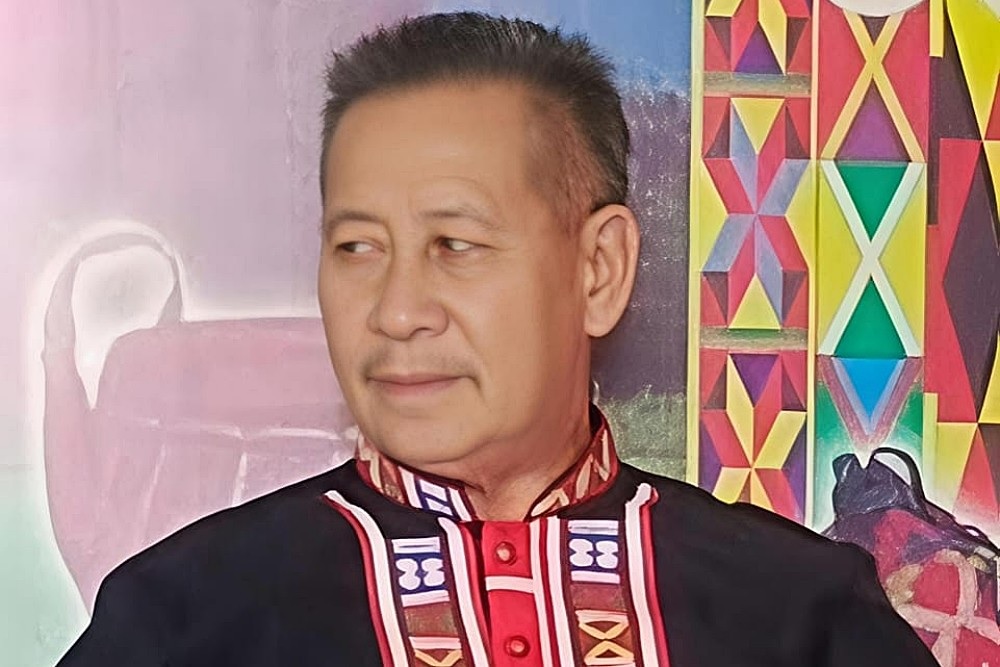
Newly appointed Bingkor Native Chief (Ketua Anak Negeri) Jubirine Sugari described the establishment of the Bingkor Native Court as a proactive initiative to strengthen the delivery of customary administrative services while improving accessibility for the local community.
He said the court would handle various customary matters, including engagement registrations, preparation of customary marriage documentation, dispute mediation and other village customary affairs.
The move will allow residents to complete their transactions more efficiently without having to travel to the Native Court in Keningau.
According to Jubirine, decentralising these services will significantly reduce the time, transportation costs and inconvenience previously faced by villagers who had to travel to Keningau for matters related to native customs.
“The opening of the Bingkor Native Court reflects our commitment to ensuring that customary administrative services remain easily accessible to the people.
“By bringing these services closer to the community, we hope to provide faster, more efficient and people-friendly services,” he said.
For many residents, the commencement of full operations represents a welcome development, allowing important customary matters to be resolved within their own locality while preserving traditions and customs that continue to play an important role in community life.
The establishment of the Bingkor Native Court also reflects the government’s continued efforts to strengthen the native customary administration system at the grassroots level, ensuring it remains relevant, efficient and responsive to the needs of the people.
It also highlights ongoing efforts to safeguard Sabah’s rich cultural heritage for future generations.