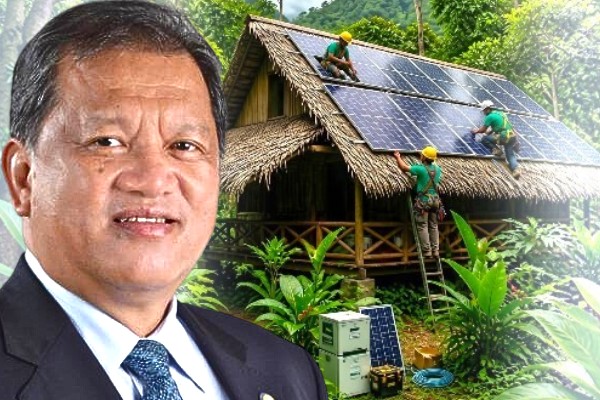
Kota Kinabalu: Assistant Minister to the Chief Minister and Sabah Tourism Board (STB) Chairman Datuk Joniston Bangkuai urged tourism operators to adopt solar energy as a viable alternative to diesel, saying the move would strengthen sustainability efforts and enhance visitor experiences.
He said renewable energy solutions were especially important for tourism destinations in remote areas where access to reliable electricity remained a challenge.
“The shift towards renewable energy, including solar power, is not only about reducing environmental impact, but it supports the kind of tourism experience that today’s travellers are increasingly looking for,” he said during the Powering Sabah’s Low Carbon Future Workshop at a hotel, here, Sunday.
Joniston said travellers were becoming more environmentally conscious and preferred destinations that demonstrated a genuine commitment to sustainability.
He said Sabah’s greatest tourism assets were its natural beauty and biodiversity, including rainforests, Mount Kinabalu, islands, marine treasures, wildlife and authentic community experiences, which must be protected.
He noted that many tourism destinations, including eco-lodges along the Kinabatangan River, island resorts and nature retreats, were located in remote areas where reliable energy supply had long been a challenge.
Joniston said adopting cleaner energy practices was not only about reducing carbon footprints but also creating unique experiences for visitors.
“Imagine a guest staying in a remote Sabah rainforest powered by clean energy, enjoying the sounds of nature without the constant noise of generators, while sustainability becomes part of the journey itself.
“That is the kind of experience that sets destinations apart,” he said.
He said sustainability was closely linked to Sabah’s identity and future, adding that protecting natural assets was essential to maintaining the state’s competitiveness as a tourism destination.
Joniston said the initiative aligned with the Sabah Maju Jaya agenda, which aims to build a resilient, progressive and sustainable state.
He added that cleaner energy solutions could also benefit communities, businesses and industries by providing more reliable and sustainable energy sources.
He encouraged tourism operators and industry stakeholders to embrace sustainable practices to strengthen their businesses and improve visitor experiences.
Joniston also revealed that he had met Domestic Trade and Cost of Living Minister Datuk Armizan Mohd Ali and Chief Economic Advisor Tan Sri Noor Azlan Ghazali to discuss diesel subsidy issues and challenges faced by the tourism industry.
“They both agreed that we should aggressively explore solar energy as a viable alternative,” he said.
However, he stressed that the transition must be led by the private sector, while the government should play a supporting role.
“The government can help facilitate because it is here, but the private sector should play a major role in this transformation,” he said.
Joniston thanked ESL EcoEnergy and Huawei for organising the workshop, saying it provided a platform for the government, industry players and communities to explore practical solutions for cleaner energy and support Sabah’s move towards a greener future.