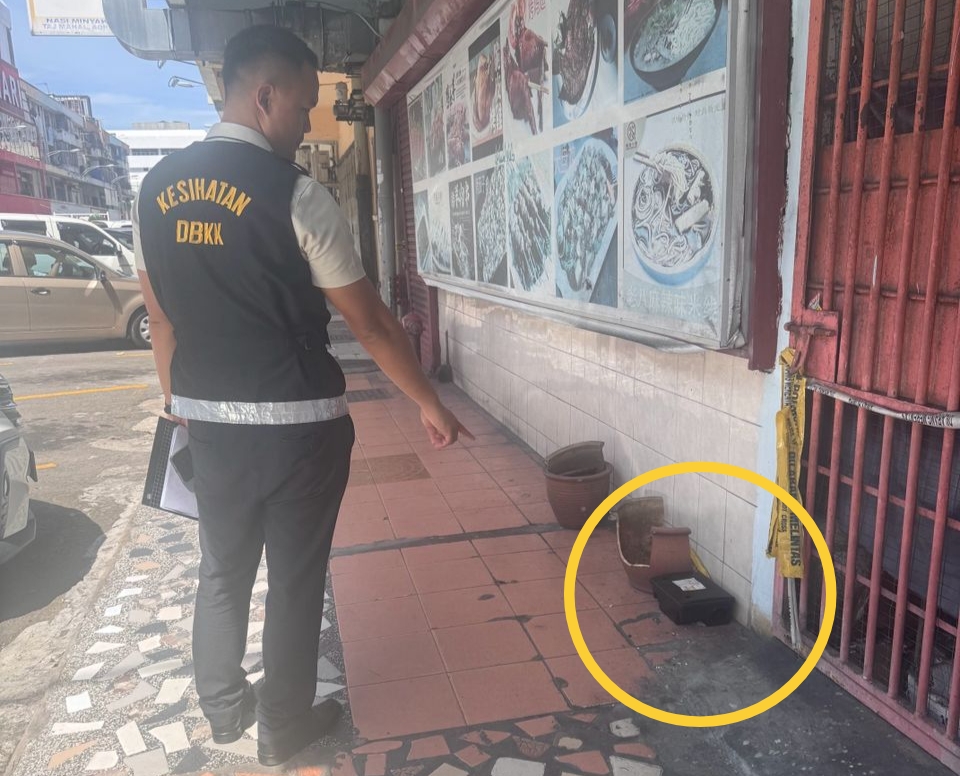
CITY Hall staff cleared a total of 540 rat carcasses from 26 separate locations around its rating area in the first half of the year.
A spokeswoman for the agency’s Environmental Health Department said this figure represented a “small but encouraging” decrease in the number of rodents exterminated between January and June.
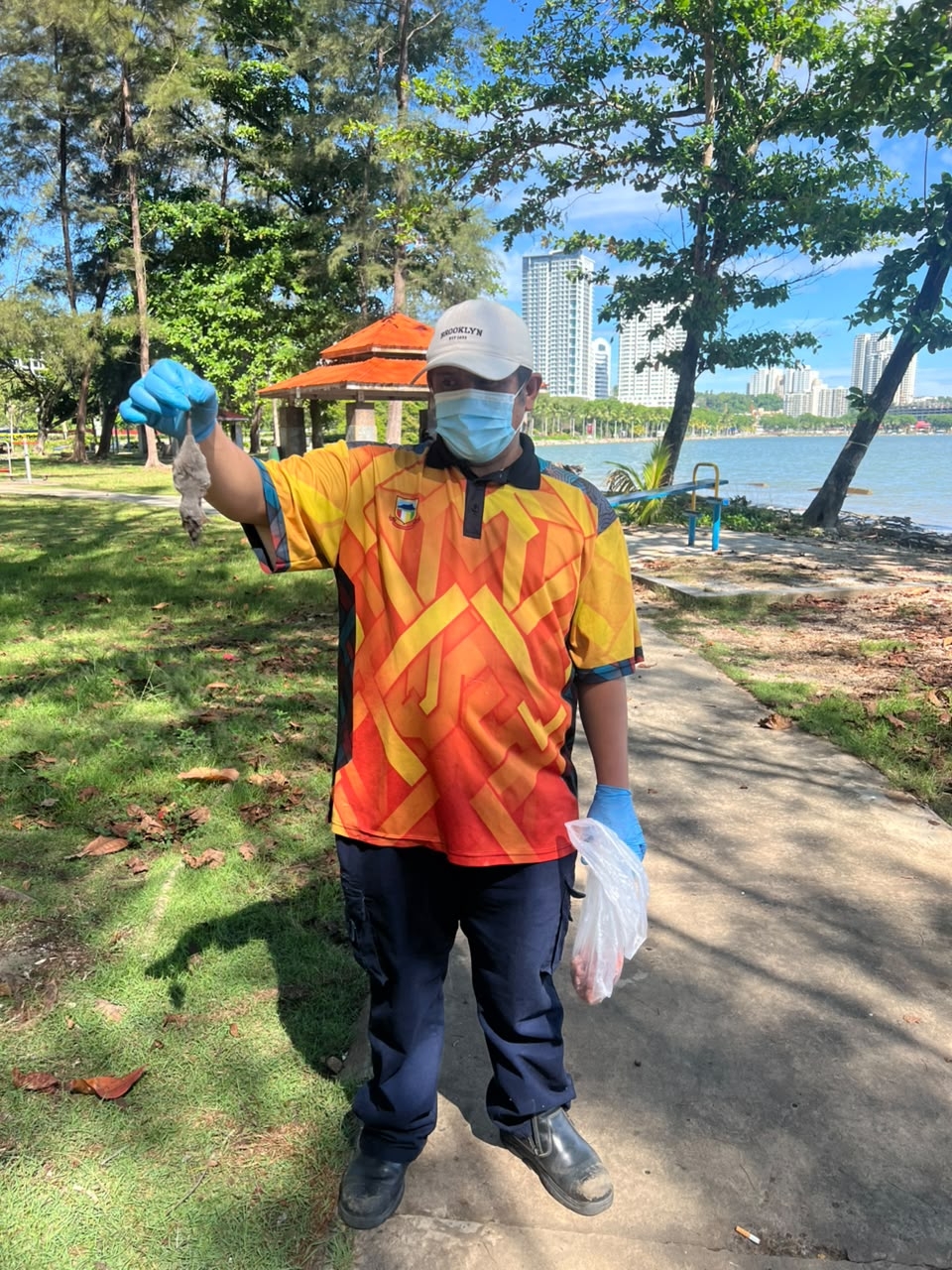
By comparison, about 559 dead rodents were removed over the same period from 22 areas in 2025, according to her.
“The highest number of dead rats over the past six months was removed from the Central and Fish Markets (70), followed by the Anjung Kinabalu foodcourt (46) and Kg Air (42),” she said.
On the flip side, she said, the Anjung Senja foodcourt had the fewest rodent remains, with three cleared from this part of Kota Kinabalu.
She said an eight-man team with City Hall’s Vector Control Unit (VCU) usually applied rat poison around the target locations on a monthly basis.
“We use an anticoagulant type of poison, which causes slow bleeding in any rats which swallow it.
“The rodents essentially meet their end within their burrows, so fewer carcasses are found in the public areas where this poison has been spread.”
She said the VCU had moved away from using poisons in powder form due to the wet weather, which had increasingly occurred in Kota Kinabalu, as the powders were liable to dissolve when they came into contact with rainwater.
“We intend to ramp up our mitigation efforts in those areas where a high body count has been registered in the coming year by having the poison scattered at these locations twice a month.”
On top of this, she said its Health Inspectors would personally brief members of the public on how they could help to reduce the number of rats in these areas.
“Brochures on how to do this may also be given to those living and working here to reinforce what they have heard.”
The spokeswoman said City Hall was keen to minimise the risk of rodent-related ailments, such as Hantavirus and Leptospirosis, from occurring within its rating area.
“Members of the public face the possibility of becoming ill with Hantavirus or Leptospirosis, if they come into contact with the urine of these vermin.”
She called on them to be more proactive when it came to maintaining the cleanliness around their respective premises.
“We encourage them to look after the space they occupy more diligently so that these areas do not become infested with rats.
“Their premises should be kept in good order at all times.”
The spokeswoman said the Salut Commercial Centre, Manggatal Plaza and Kepayan Commercial Centre, as well as premises along Jalan Haji Saman, were recently added to the agency’s list where rat control activities were being carried out.
She said the areas in the State Capital normally scrutinised by the Unit included Jalan Gaya, Jalan Pantai, Lorong Dewan (Fu Yen shophouses), Bandaran Berjaya, Kg Air, Asia City, Api-Api, Sinsuran and Segama, the Anjung Senja foodcourt, Central Market (both wet and dry), the Anjung Kinabalu foodcourt and the hawker stalls near the roundabout with the Marlin statue.
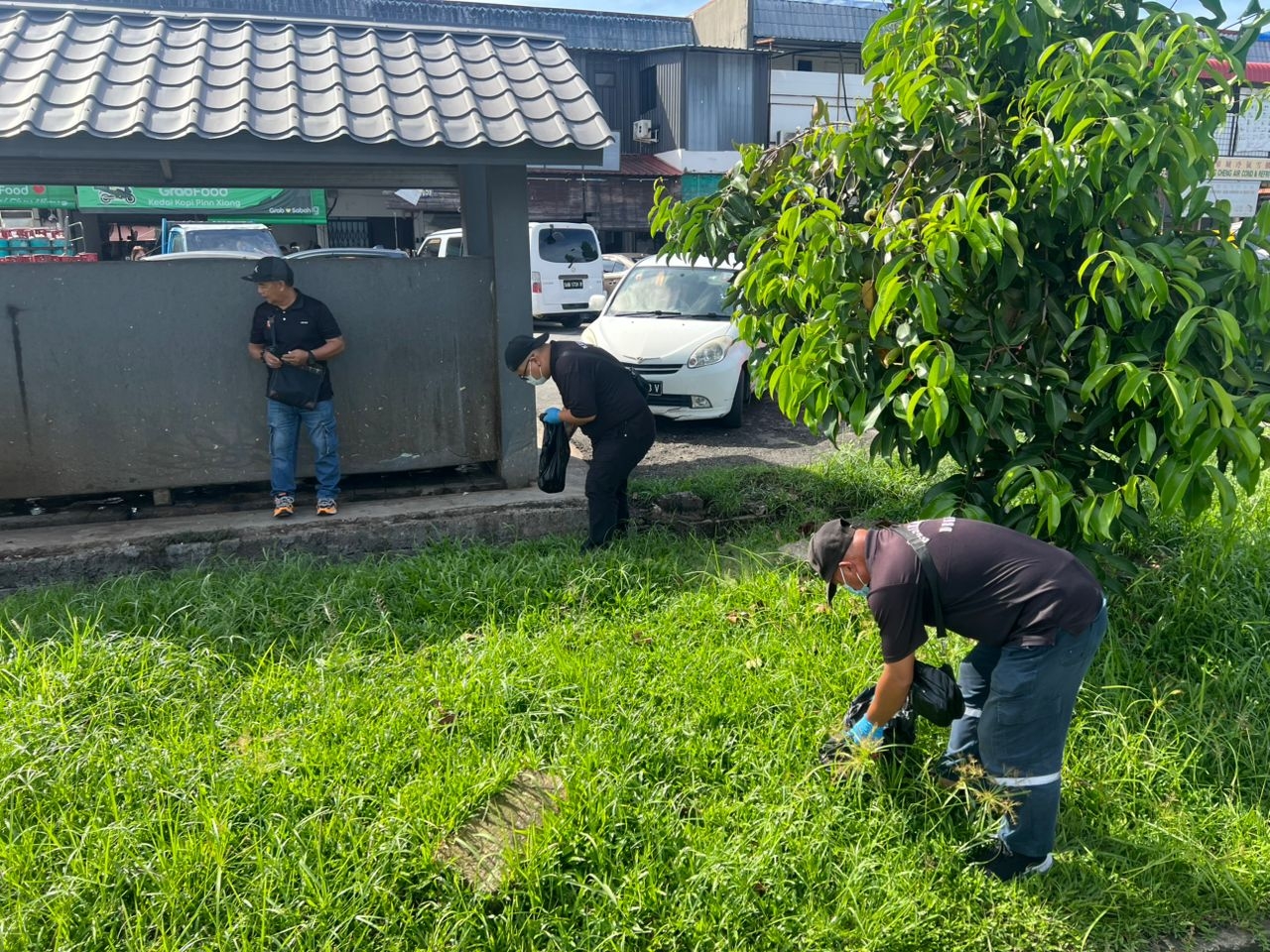
Among those outside the City, she said, were the Tanjung Aru flats, Tanjung Aru town, the Likas Public Park, Inanam town, Telipok town and Manggatal town.
Where the extermination exercise in Segama was concerned, the spokeswoman said, City Hall was not just relying on rat poison to reduce the vermin population there.
“The VCU continues to scatter the poison in places around the shophouses at the usual intervals.
“But, of late, a pest control operator has also set up rodent-bait stations in the common areas here.”
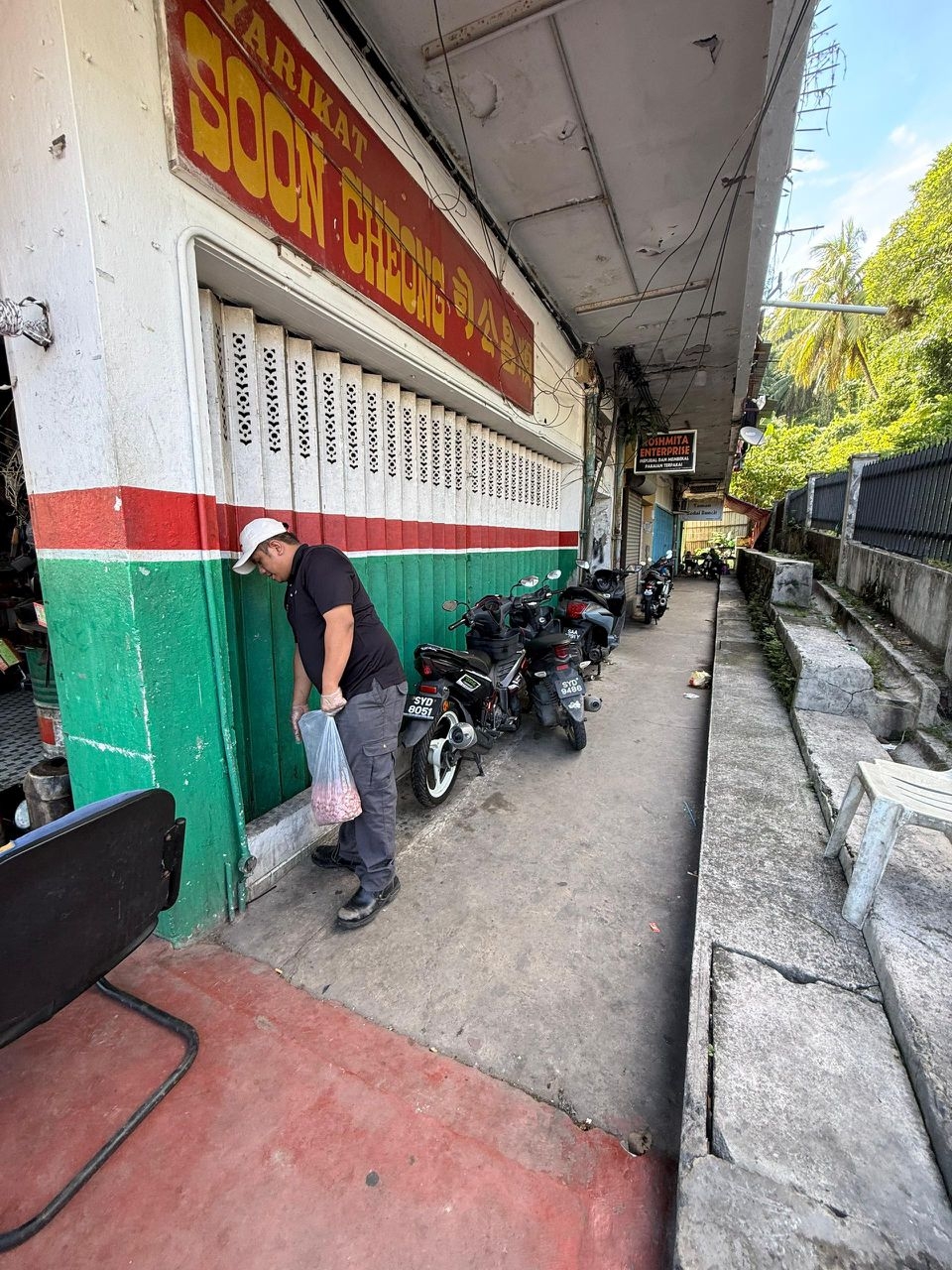
She said about 200 of these bait stations had been placed at strategic locations on the periphery of the different shophouse blocks in this part of the State Capital.
“We urge the public to refrain from tampering with these structures as this will hinder the effectiveness of our rat control efforts here.”