MANILA: This year, the Philippines and the United States mark a double milestone—80 years of diplomatic ties and the 75th anniversary of the Mutual Defense Treaty (MDT)—coinciding with Manila assuming the chairmanship of the Association of Southeast Asian Nations (ASEAN).
Far from just a historical commemoration, this milestone has been met with a shift. Under President Ferdinand Marcos Jr., Manila has enacted the Comprehensive Archipelagic Defense Concept, shifting the Armed Forces of the Philippines (AFP) from internal security toward an outward-facing, forward-defense posture.
Advertisement

This has refocused the US partnership on securing the country’s maritime zones.
But Beijing’s maneuvers in the West Philippine Sea continue unabated, stopping below the threshold of an armed attack to avoid triggering US defense commitments.
To do so, the Philippines and the United States should take six steps.
First, they should build an integrated air and missile defense shield. The primary tactical vulnerability of the AFP is the lack of layered air defenses to protect its territory, leaving Northern Luzon exposed to potential spillover or strikes in a conflict over Taiwan.
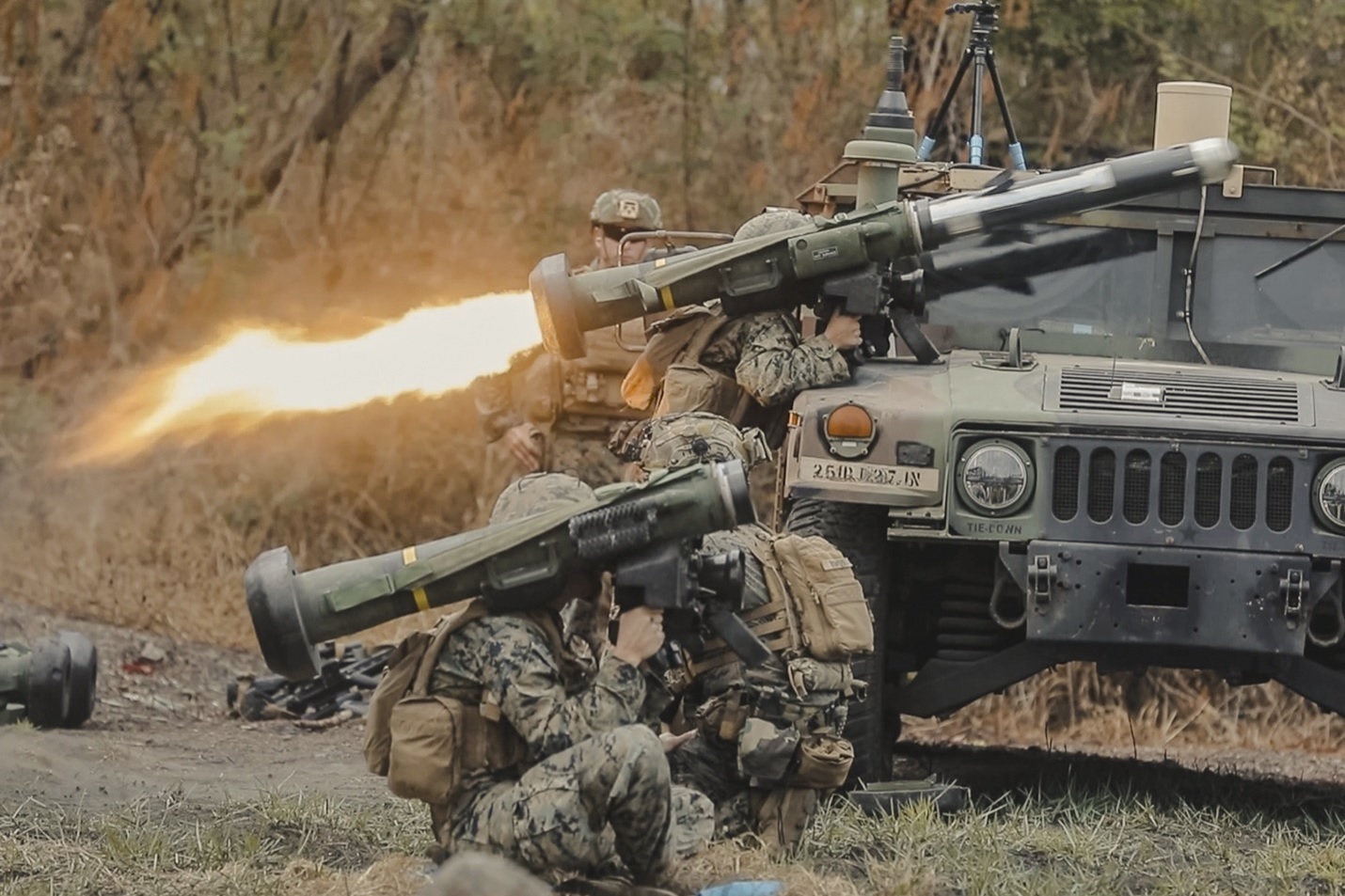
As the alliance utilises cutting-edge hardware during field training, the focus should pivot toward protection. Manila should match US foreign military financing with its own revitalized Self-Reliant Defense Posture program. The alliance should focus on technology transfers and co-production that integrate permanent radar tracking and interceptor networks into the AFP’s “kill web” architecture, securing skies while building a self-sustaining defense capability that underpins the country’s autonomy.
Second, the alliance should institutionalise routine joint coast guard patrols.
Third, the alliance should harden cyber networks and sites under the Enhanced Defense Cooperation Agreement (EDCA). The alliance should fast-track US technical support to harden the Philippine military’s command-and-control architecture against state-sponsored cyber warfare. Physically, EDCA sites lack the fortification to withstand a high-intensity theater conflict. Given Northern Luzon’s proximity to a Taiwan flashpoint, these locations should become hardened, resilient nodes.
Third, the alliance should harden cyber networks and sites under the Enhanced Defense Cooperation Agreement (EDCA). The alliance should fast-track US technical support to harden the Philippine military’s command-and-control architecture against state-sponsored cyber warfare. Physically, EDCA sites lack the fortification to withstand a high-intensity theater conflict. Given Northern Luzon’s proximity to a Taiwan flashpoint, these locations should become hardened, resilient nodes.
Fourth, the alliance should multilateralise the regional security web. A purely bilateral relationship risks allowing an adversary to isolate Manila or frame its posture as a proxy conflict. The Philippines should use its treaty to anchor minilaterals, operationalizing its Reciprocal Access Agreement with Japan and Status of Visiting Forces Agreement with Australia through joint maritime sails and expanded training.
Fifth, the alliance should turn the Luzon Economic Corridor into an economic shield.
Sixth, Manila and Washington should invest in institutional memory and the next generation of alliance leaders.
After 75 years of the MDT, the alliance should evolve toward peace preservation. A modernized, well-allied Philippines does not invite conflict; it prevents it.
As ASEAN chair, Manila can demonstrate that its evolving posture and defense networks enhance autonomy. By driving progress on a South China Sea code of conduct and steering the ASEAN Community Vision 2045, Manila can also show that a strong, secure Philippines is the anchor for regional centrality, preserving national dignity, economic resilience and self-reliance.