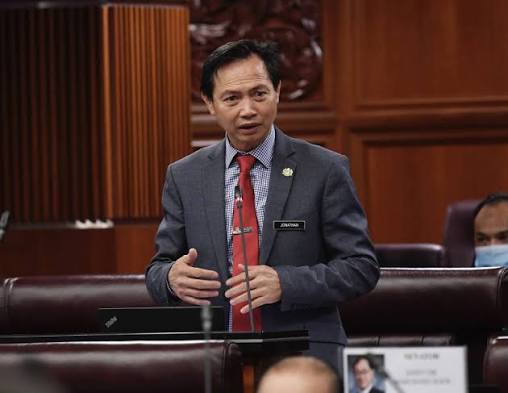
Kuala Lumpur: The Federal Government does not maintain tax revenue records based on individual states, as tax collection data is reported only in aggregate according to tax categories at the national level, the Ministry of Finance has clarified.
The Ministry made the clarification in a written reply to a question from Ranau Member of Parliament Datuk Jonathan Yasin, who requested a list of private companies, Federal Government agencies and federal statutory bodies operating in Sabah but headquartered in Peninsular Malaysia, as well as the amount of taxes they had paid to the Inland Revenue Board (LHDN) between 2000 and 2025.
In its response presented in the Dewan Rakyat, the Ministry explained that Federal Government tax revenue comprises both direct and indirect taxes collected by LHDN and the Royal Malaysian Customs Department (JKDM).
Direct taxes include corporate and individual income tax, petroleum income tax, capital gains tax, real property gains tax and stamp duty.
Indirect taxes, meanwhile, consist of import duty, export duty, excise duty, sales tax, service tax, tourism tax, windfall profit levy, goods vehicle levy and departure levy.
The Ministry said information on Federal Government tax revenue is available through the Federal Government Financial Statements published annually by the Accountant General’s Department of Malaysia in accordance with Section 16(1) of the Financial Procedure Act 1957, as well as the Fiscal Outlook and Federal Government Revenue Estimates report published by the Ministry of Finance.
Advertisement

However, it stressed that the reports present tax revenue only in aggregate by tax category and not by state.
“The amount of tax revenue collected in a particular state does not necessarily reflect the actual contribution of economic activities in that state,” the Ministry said.
Responding to Jonathan’s request for a list of companies, government agencies and statutory bodies operating in Sabah while paying taxes in Peninsular Malaysia, the Ministry stated that such information could not be disclosed as it is protected under Section 138 of the Income Tax Act 1967.
According to the Ministry, the provision classifies taxpayer information as confidential and is consistent with international best practices aimed at maintaining taxpayers’ confidence in declaring their income to the tax authorities.
The Ministry added that the confidentiality provisions cover information relating to taxpayers’ identities as well as the amount of tax paid by private companies, government agencies and statutory bodies.


.png)