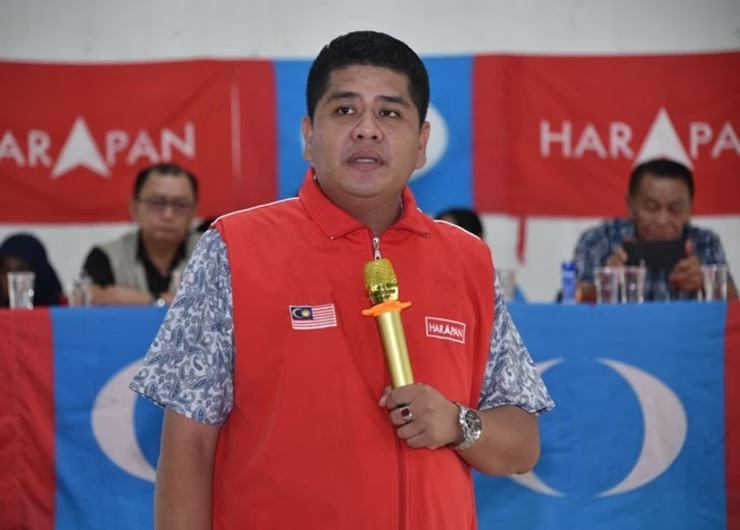
Kota Kinabalu: Angkatan Muda Keadilan (AMK) Sabah has urged the Federal Government to review the implementation of the diesel subsidy policy, citing concerns over its impact on Sabahans who rely heavily on diesel for their daily lives and economic activities.
Sabah AMK chief Zaidi Jatil said the movement understood the rationale behind the targeted subsidy reform, which aims to reduce leakages, curb smuggling and ensure subsidies reach those who genuinely qualify.
“The objective is understandable and carries sound justification from a policy perspective,” he said.
However, Zaidi said the policy must also take into account Sabah’s unique circumstances, which differ significantly from those in Peninsular Malaysia.
He said Sabah’s vast geographical landscape, dispersed settlements and limited public transport network in many rural and interior areas meant diesel-powered vehicles were not a matter of choice but a basic necessity for many residents.
Zaidi said farmers, fishermen, smallholders, livestock breeders, logistics operators, small contractors and rural workers all depended on diesel vehicles to travel, work and earn a living.
He expressed concern that the quota-based and conditional diesel subsidy mechanism could make it difficult for many legitimate users to obtain adequate and fair access to the subsidy.
Zaidi also warned that the policy could trigger a ripple effect on logistics and transportation costs, eventually driving up the prices of essential goods and placing additional pressure on Sabahans already facing a high cost of living.
He called on the Federal Government to review the diesel subsidy mechanism in Sabah and adopt a more inclusive and flexible approach that reflects local realities.
“Subsidy reform remains important for the nation’s fiscal sustainability, but a good policy must also be implemented fairly, pragmatically and with sensitivity to local conditions,” he said.
Zaidi said he was confident the Madani Government under Prime Minister Datuk Seri Anwar Ibrahim would remain open to listening to the concerns of the people and make the necessary improvements to ensure no Sabahan is left behind in the state’s development and wellbeing.