Kuala Lumpur: Sabah is taking a significant step towards positioning itself as a leading producer of guarana in Malaysia with the introduction of the Sabah Guarana Roadmap 2030, an ambitious initiative that aims to transform the crop into a new source of economic growth while creating sustainable income opportunities for rural communities across the state.
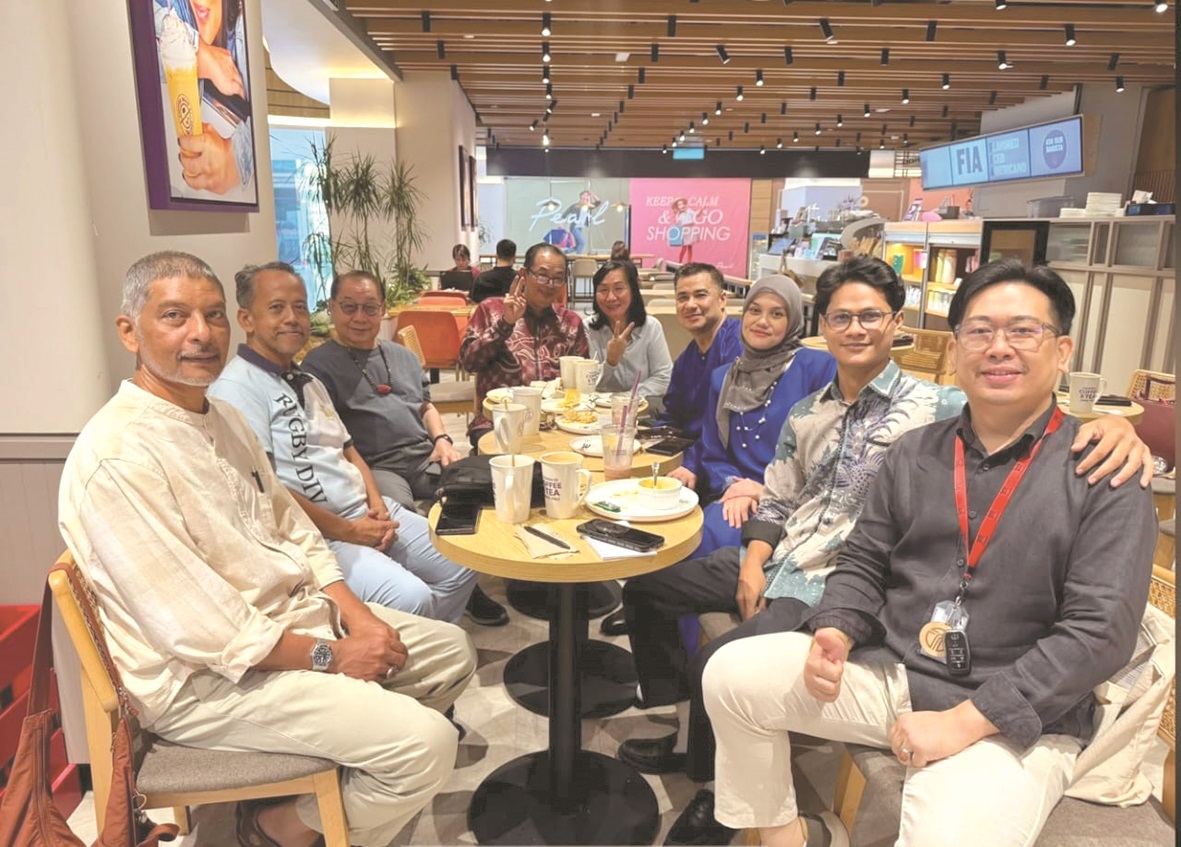
The roadmap was the focus of a strategic meeting between Keningau Member of Parliament Datuk Seri Panglima Dr. Jeffrey G. Kitingan and the leadership of Guarana Nexus Borneo (GNB) at Pearl Point here recently, where both parties agreed to strengthen collaboration in developing a structured and coordinated guarana industry for Sabah.
A key outcome of the meeting was the decision to recognise Guarana Nexus Borneo as the principal coordinating platform responsible for driving the expansion of guarana cultivation throughout the state, with an initial target of planting one million guarana trees by 2030.
The initiative marks the beginning of a more organised approach to developing what is increasingly regarded as a high-value commercial crop capable of diversifying Sabah’s agricultural economy while providing new opportunities for farmers, entrepreneurs and downstream industries.
To achieve the ambitious target, implementation will be coordinated through the GNX System, an integrated network currently comprising more than 600 registered guarana growers under the leadership of Jeff Li.
The system will be further strengthened through the appointment of 13 district coordinators, who will oversee programme implementation, farmer engagement and technical coordination at the grassroots level.
The roadmap identified 13 districts as priority areas for guarana cultivation, namely Tambunan, Keningau, Sook, Nabawan, Ranau, Kota Belud, Kota Marudu, Telupid, Kinabatangan, Sipitang, Lawas, Penampang and Tenom.
These districts possess suitable geographical and climatic conditions that are expected to support the successful expansion of guarana plantations.
Dr. Jeffrey, who is also Tambunan State Assemblyman and Chairman of the Sabah Agricultural Marketing Board (SAMA), expressed his strong support for the initiative, describing guarana as an emerging agricultural commodity with tremendous commercial potential.
He said Sabah possesses the natural advantages, agricultural experience and rural workforce needed to develop the crop into a competitive industry capable of generating long-term economic returns.
According to him, developing guarana should not be viewed merely as increasing the number of trees planted, but as building a comprehensive value chain that encompasses cultivation, research, processing, product development, marketing and export opportunities.
He added that with proper planning and coordination, the industry could create additional sources of income for smallholders while encouraging greater participation among rural youth in modern agriculture.
Beyond primary production, the roadmap also envisions the establishment of a complete guarana ecosystem that includes quality planting materials, technical training, extension services, research and development, value-added processing and stronger market access for growers.
Such an integrated approach is expected to improve productivity, enhance product quality and increase the competitiveness of Sabah’s agricultural sector both domestically and internationally.
The meeting also highlighted the importance of close collaboration between government agencies, private industry players, researchers and farming communities to ensure that the roadmap is implemented effectively and achieves its long-term objectives.
If successfully implemented, the Sabah Guarana Roadmap 2030 could become one of the state’s most significant agricultural transformation initiatives in the coming years.
More importantly, it has the potential to create thousands of economic opportunities throughout the value chain—from cultivation and processing to entrepreneurship and export—while improving the livelihoods of farming communities across Sabah.