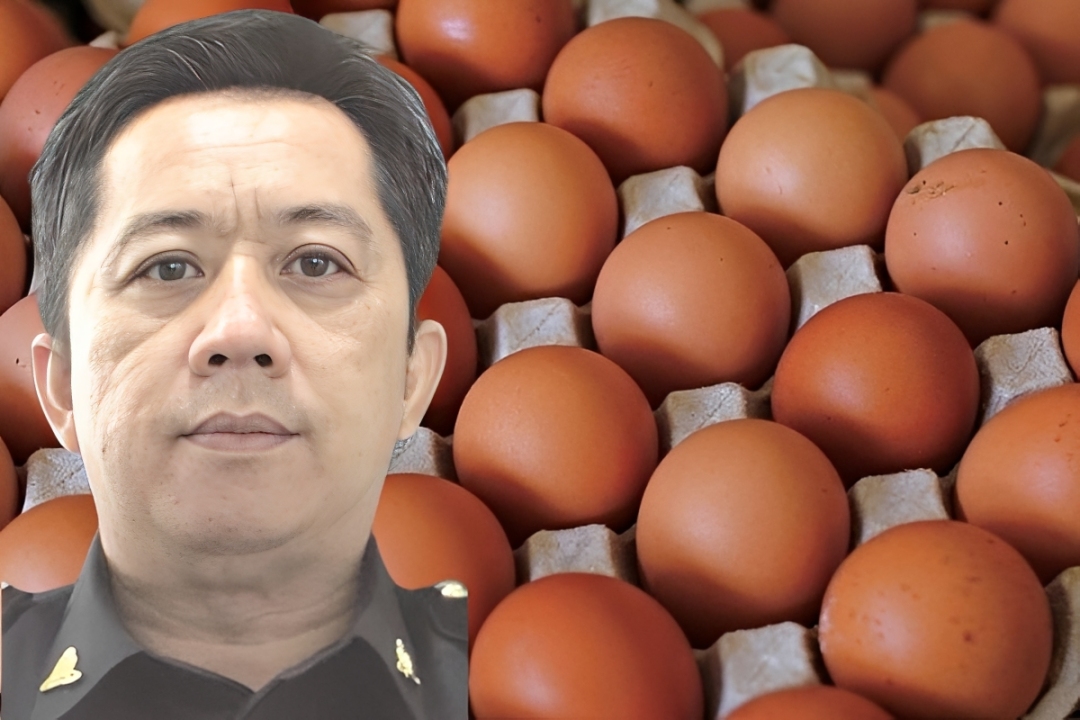
SANDAKAN: The Ministry of Domestic Trade and Cost of Living (KPDN) will intensify monitoring and enforcement efforts to ensure chicken and egg prices remain reasonable following the removal of subsidies and price controls for the two essential food items.
Sandakan KPDN Branch Chief and Zonal Enforcement Chief Joe Azmi said the ministry would continue conducting inspections and take action against traders found selling the items at excessively high or unreasonable prices.
Advertisement

He said if inspections or public complaints found that goods were being sold at exorbitant prices, traders would be required to provide an explanation before further investigations were conducted.
“If they are found to have violated the relevant laws, enforcement action will be taken in accordance with the existing legal provisions,” he said when met recently by Tanjong Papat State Constituency Service Centre special officer Bryan Chang at the KPDN office.
Meanwhile, Chang urged traders to practise corporate social responsibility (CSR) by maintaining reasonable prices for chicken and eggs to help ease the financial burden on consumers.
He said that although prices are now fully determined by market forces, traders should consider Sabah’s sluggish economic conditions and the continued cost-of-living pressures faced by the public.
Chang noted that part of Sabah’s chicken supply is sourced from Peninsular Malaysia, while additional supplies are imported from Thailand and Brazil, resulting in higher transportation costs compared with other states.
He added that the implementation of the new diesel subsidy mechanism had also increased logistics costs, contributing to higher prices for chicken, eggs and other essential food items while reducing consumers’ purchasing power.
“The increase in transportation and fuel costs has undoubtedly placed pressure on traders. However, it is regrettable that these additional costs are ultimately passed on to consumers,” he said.
Chang said rising prices could create a ripple effect on the economy, as increased costs across various sectors would eventually be borne by the public.
He also expressed concern that some traders might take advantage of the situation by hoarding supplies to create artificial shortages before selling them at higher prices.
During the meeting, Chang also raised concerns over what he described as an increasingly inadequate supply of local white rice, despite its price remaining under government control.
He said the government must ensure sufficient supplies of local white rice to meet market demand so consumers can continue purchasing rice at affordable prices.
Chang added that besides strengthening market monitoring and enforcement, the government should also give serious attention to the stability of supply and pricing for daily necessities, including reviewing policies affecting transportation and logistics costs to ensure stable market supplies and prevent further price increases.