.png)
Advertisement
SPONSORED CONTENT

The 2026 D-MAX also introduces an 8-speed automatic gearbox with sequential shift across the range, including the Single Cab variant, making it the first pick-up truck in Malaysia to offer an automatic transmission in that body style.
Advertisement

Advertisement
 Meanwhile, Lee said it was a positive and much-needed shift in the Federal Government’s approach towards animal welfare.
However, Lee said financial assistance alone would not be sufficient. “The Government must come up with guidelines on how it intends to help and what it plans to do to further enhance animal welfare.”
He said the funding mechanism should be transparent and directed towards organisations genuinely committed to animal welfare.
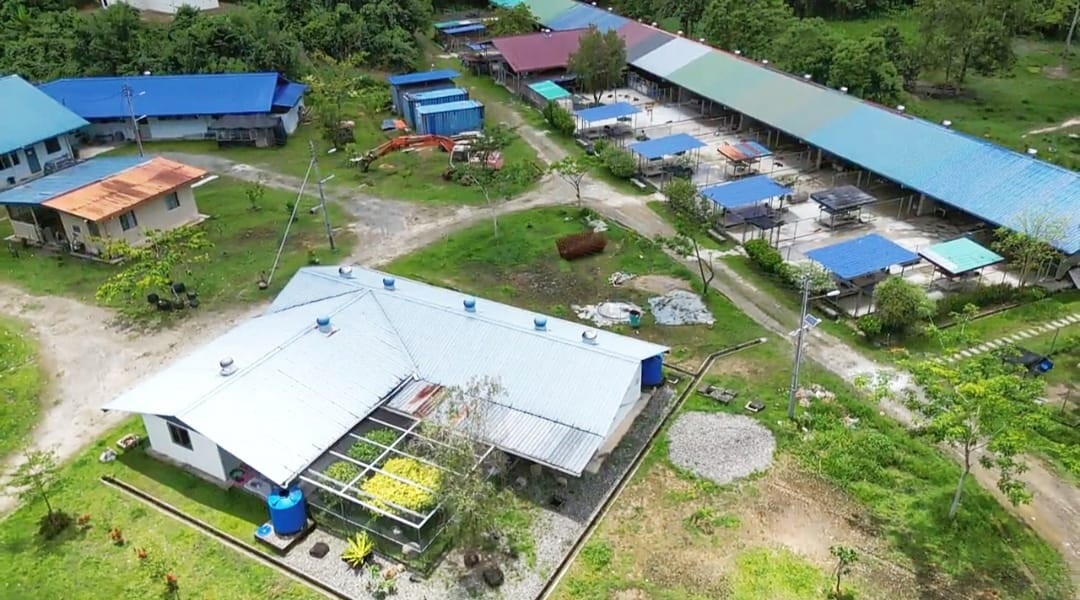
He also urged local authorities to play a more proactive role by providing suitable shelters for strays, adequate food, veterinary care and proper welfare standards.
“There must be very strict guidelines to ensure animal welfare is not disregarded when these animals are placed in shelters,” he said, adding the Government should engage animal welfare organisations when designing the funding framework.
Sabah animal welfare organisations said the announcement was the strongest indication yet that the Federal Government was beginning to recognise the immense burden shouldered by NGOs and volunteers.
SPCA Kota Kinabalu President Dr Stuart Chin said it was an encouraging development for organisations that have long depended almost entirely on public generosity.
“Animal welfare organisations are facing increasing financial challenges.
“Most NGOs rely heavily on public donations and volunteers to rescue, treat, sterilise, shelter and rehome stray animals, while the demand for these services continues to grow.”
Dr Chin agreed that the stray animal issue could not be resolved by NGOs alone.
“It requires close collaboration between the Government, local authorities, veterinarians, animal welfare organisations and the community.
SPCA KK hoped the proposal would translate into meaningful assistance for organisations that have worked tirelessly for many years to improve animal welfare.
Helping Animals Rescue Team (HEART) founder Dr Roslee Haji Abbas said it was a landmark step towards recognising animal welfare as a shared national responsibility instead of a burden carried almost entirely by volunteers for decades.
“A dedicated government fund would be a landmark investment in creating a more structured, sustainable and effective animal welfare system,” he said.
He said the funding should go beyond emergency rescue operations and support preventive programmes such as Trap-Neuter-Return-Manage (TNRM), vaccination campaigns, affordable spay and neuter services, responsible adoption initiatives and public education.
He also urged the Government to establish a transparent funding mechanism with clear eligibility criteria, measurable outcomes and regular reporting to ensure public confidence.
“Animal welfare is not solely about protecting animals. It is also about creating healthier communities, improving public health, promoting responsible citizenship and fostering compassion throughout society,” he said.
SPCA Tawau President Leong Nyuk Yin said the proposal was a wise and enlightened approach. “We must appear to be one step ahead of other countries. This is an honour,” she said.
SPCA Tawau has worked with Tawau Municipal Council (MPT) since 2015 to manage strays but relied heavily on donations to sustain its operations.
“With government funding, we can alleviate part of our financial burden and conduct more awareness activities, including promoting sterilisation, responsible pet ownership and learning to coexist with other species.”
FAIR President Shirley Khong said it was “great news that was long overdue”, as many NGOs and independent feeders have spent years using their own money to feed, rescue and sterilise strays.
She said stricter enforcement of sterilisation among pet owners was equally important to prevent unwanted litters and abandonment.
Khong also proposed that the Government allocate land for shelters, provide operational funding, encourage adoption from shelters instead of importing pets and subsidise sterilisation through government and private veterinary clinics.
KK Pet & Stray Services (KKPSS) founder May welcomed the proposal but stressed that proper auditing and accountability should accompany any allocation.
“The greatness of a nation and its moral progress can be judged by the way its animals are treated,” she said, quoting Mahatma Gandhi.
“It is time for humans to understand and protect the rights of the voiceless with a sincere heart. Proper audits should be carried out when implementing this funding and it should support practical steps that lead to long-term impact.”
Likas Animal Sanctuary founder Shyma Matilda hoped independent rescuers and smaller unregistered shelters would not be overlooked.
She wondered whether assistance would only benefit registered shelters, pointing out that many independent rescuers spend thousands of ringgit from their own pockets every month caring for abandoned and injured animals.
“My expenses alone exceed RM2,000 a month if there are no major veterinary cases,” she said.
“There are many small shelters and independent rescuers surviving on their own pockets or the kindness of donors. I hope they will also be considered,” she said.
Meanwhile, Lee said it was a positive and much-needed shift in the Federal Government’s approach towards animal welfare.
However, Lee said financial assistance alone would not be sufficient. “The Government must come up with guidelines on how it intends to help and what it plans to do to further enhance animal welfare.”
He said the funding mechanism should be transparent and directed towards organisations genuinely committed to animal welfare.
He also urged local authorities to play a more proactive role by providing suitable shelters for strays, adequate food, veterinary care and proper welfare standards.
“There must be very strict guidelines to ensure animal welfare is not disregarded when these animals are placed in shelters,” he said, adding the Government should engage animal welfare organisations when designing the funding framework.
Sabah animal welfare organisations said the announcement was the strongest indication yet that the Federal Government was beginning to recognise the immense burden shouldered by NGOs and volunteers.
SPCA Kota Kinabalu President Dr Stuart Chin said it was an encouraging development for organisations that have long depended almost entirely on public generosity.
“Animal welfare organisations are facing increasing financial challenges.
“Most NGOs rely heavily on public donations and volunteers to rescue, treat, sterilise, shelter and rehome stray animals, while the demand for these services continues to grow.”
Dr Chin agreed that the stray animal issue could not be resolved by NGOs alone.
“It requires close collaboration between the Government, local authorities, veterinarians, animal welfare organisations and the community.
SPCA KK hoped the proposal would translate into meaningful assistance for organisations that have worked tirelessly for many years to improve animal welfare.
Helping Animals Rescue Team (HEART) founder Dr Roslee Haji Abbas said it was a landmark step towards recognising animal welfare as a shared national responsibility instead of a burden carried almost entirely by volunteers for decades.
“A dedicated government fund would be a landmark investment in creating a more structured, sustainable and effective animal welfare system,” he said.
He said the funding should go beyond emergency rescue operations and support preventive programmes such as Trap-Neuter-Return-Manage (TNRM), vaccination campaigns, affordable spay and neuter services, responsible adoption initiatives and public education.
He also urged the Government to establish a transparent funding mechanism with clear eligibility criteria, measurable outcomes and regular reporting to ensure public confidence.
“Animal welfare is not solely about protecting animals. It is also about creating healthier communities, improving public health, promoting responsible citizenship and fostering compassion throughout society,” he said.
SPCA Tawau President Leong Nyuk Yin said the proposal was a wise and enlightened approach. “We must appear to be one step ahead of other countries. This is an honour,” she said.
SPCA Tawau has worked with Tawau Municipal Council (MPT) since 2015 to manage strays but relied heavily on donations to sustain its operations.
“With government funding, we can alleviate part of our financial burden and conduct more awareness activities, including promoting sterilisation, responsible pet ownership and learning to coexist with other species.”
FAIR President Shirley Khong said it was “great news that was long overdue”, as many NGOs and independent feeders have spent years using their own money to feed, rescue and sterilise strays.
She said stricter enforcement of sterilisation among pet owners was equally important to prevent unwanted litters and abandonment.
Khong also proposed that the Government allocate land for shelters, provide operational funding, encourage adoption from shelters instead of importing pets and subsidise sterilisation through government and private veterinary clinics.
KK Pet & Stray Services (KKPSS) founder May welcomed the proposal but stressed that proper auditing and accountability should accompany any allocation.
“The greatness of a nation and its moral progress can be judged by the way its animals are treated,” she said, quoting Mahatma Gandhi.
“It is time for humans to understand and protect the rights of the voiceless with a sincere heart. Proper audits should be carried out when implementing this funding and it should support practical steps that lead to long-term impact.”
Likas Animal Sanctuary founder Shyma Matilda hoped independent rescuers and smaller unregistered shelters would not be overlooked.
She wondered whether assistance would only benefit registered shelters, pointing out that many independent rescuers spend thousands of ringgit from their own pockets every month caring for abandoned and injured animals.
“My expenses alone exceed RM2,000 a month if there are no major veterinary cases,” she said.
“There are many small shelters and independent rescuers surviving on their own pockets or the kindness of donors. I hope they will also be considered,” she said.