BENEATH Sabah’s turquoise waters lies a growing environmental crisis that continues to threaten coastal ecosystems, marine life and the communities that depend on them – plastic pollution.
For British photographer and researcher Chris Binch, it was something impossible to ignore during a collaborative project with the Marine Research Foundation (MRF) and its marine debris vessel, Mobula 8.
What began as an academic pursuit evolved into a deeply personal exploration of the people working on the frontlines of ocean conservation and the scale of plastic waste confronting Sabah’s coastline.
“I was looking for a collaborative MA project that moved beyond typical environmental photography,” said Binch.
“I emailed Nick Pilcher and Chris Chai Chun Xue at the MRF on a whim and they said yes. I wanted to understand the people behind the clean-up, not just the plastic.”
The Human Cost of Cleaning the Ocean
The two-month project immersed him in the daily operations aboard Mobula 8, a vessel dedicated to removing marine debris from Sabah’s waters. While the environmental mission was compelling, it was the resilience and commitment of the crew that left the strongest impression.
“What surprised me most was the sheer physical toll and camaraderie.
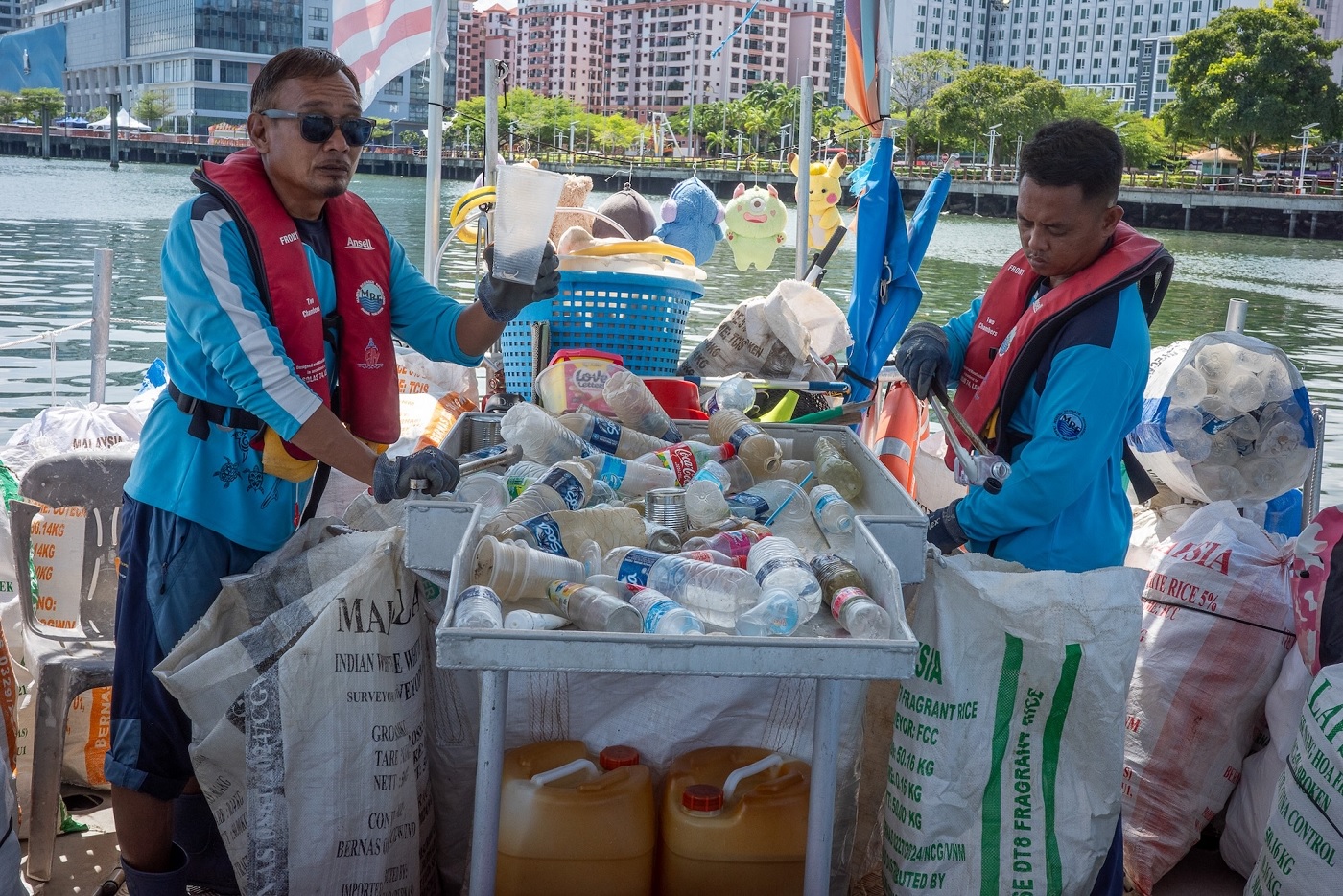
“The heat is relentless, the work is messy, but the crew works together like a family.
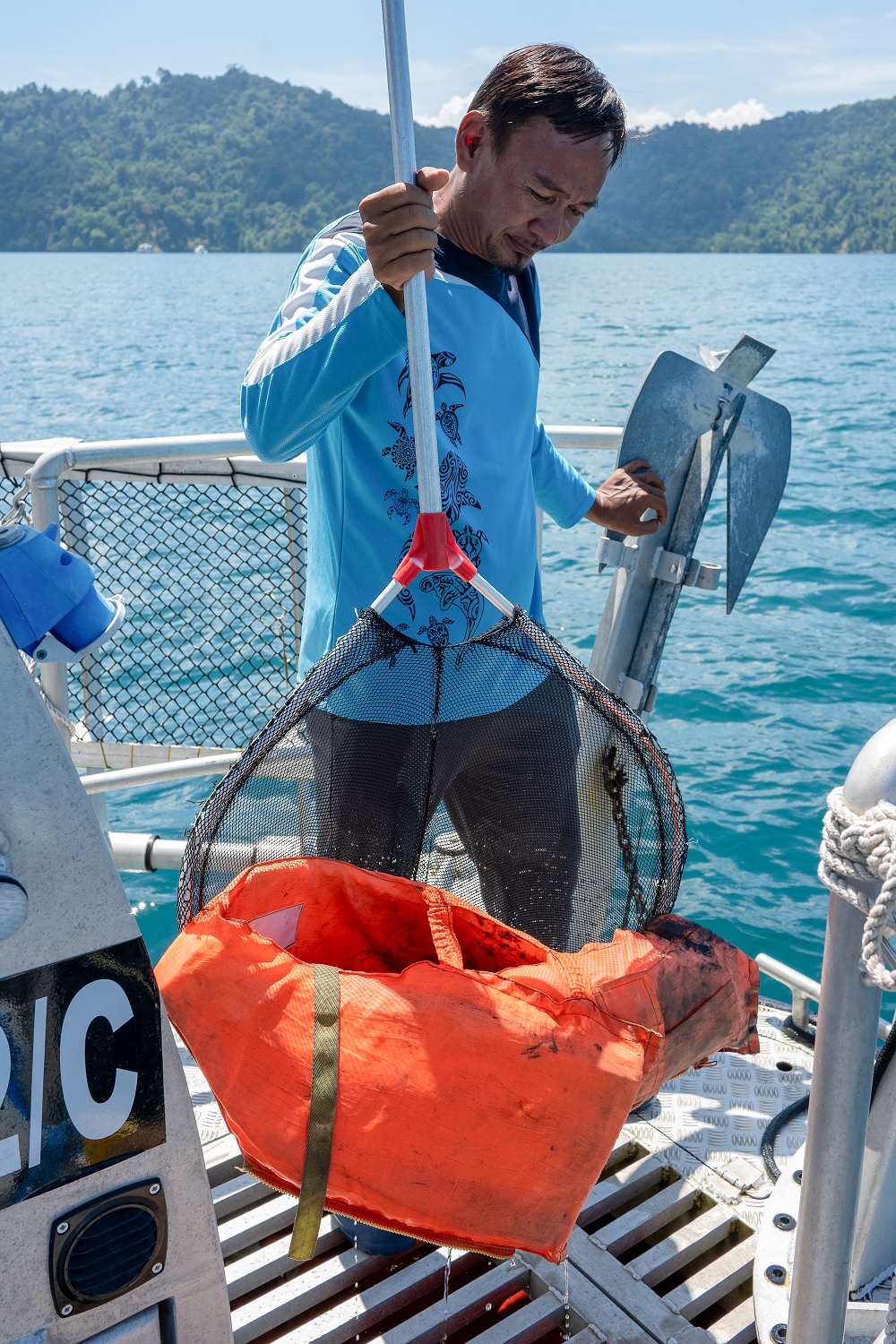
“They sort everything from water bottles to used diapers without complaint. That quiet dedication was humbling,” said the former lecturer, who spent 30 years teaching in the United Kingdom, the Middle East and Japan, and is currently pursuing his second MA in photography.
Before undertaking the project, Binch was aware that plastic pollution was a global environmental challenge. However, witnessing the situation in Sabah first-hand revealed a dimension he had not fully appreciated.
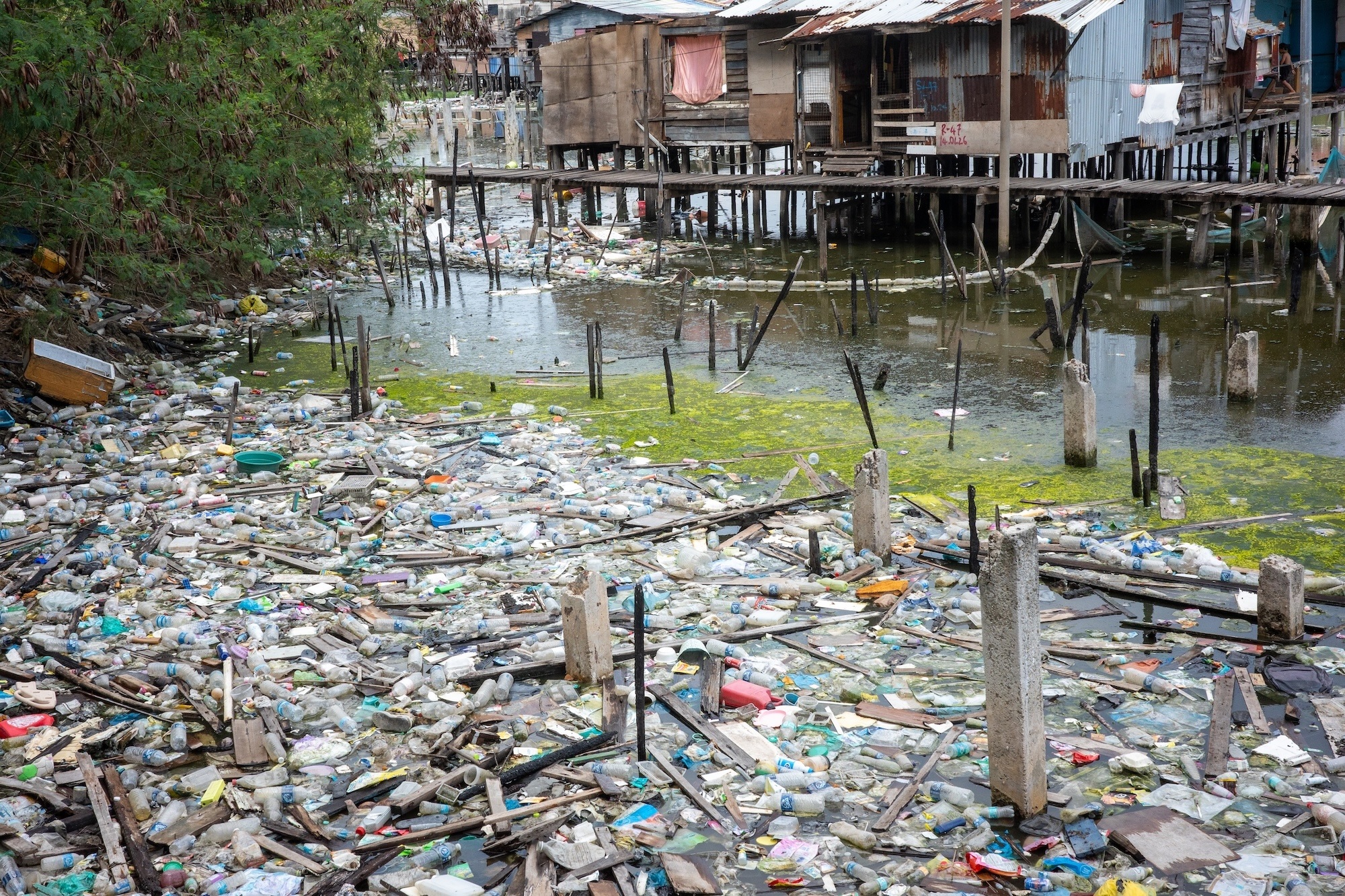
“I knew it was a global crisis, but I hadn’t grasped its scale at the local level. Walking around Kota Kinabalu, I saw plastic moving from drains and bins directly into the sea.
“On trips to local islands with my family, I saw plastic rubbish and felt disheartened that such a beautiful place was being marred in this way.”
His observations reinforced a reality long highlighted by environmental organisations: much of the marine debris found at sea originates on land.
While documenting Mobula 8’s work, Binch deliberately widened his focus beyond the vessel itself to examine the broader sources of plastic pollution affecting Sabah’s marine environment.
“Mobula 8’s story doesn’t begin at sea. I explored Kota Kinabalu and found many sources of plastic waste, with much of it flowing into streams, rivers and eventually the sea. Our focus must be on the source – and that source is on land.”
Beyond the Surface
Among the most striking scenes he photographed were a water village where plastic waste accumulates and the overspill from a landfill site. These locations provided stark visual evidence of how poorly managed waste can eventually find its way into marine ecosystems.
Yet alongside these troubling images were moments that captured the humanity behind the clean-up effort.
According to Binch, one of the most powerful memories from the project came at the end of a particularly demanding day on the water.
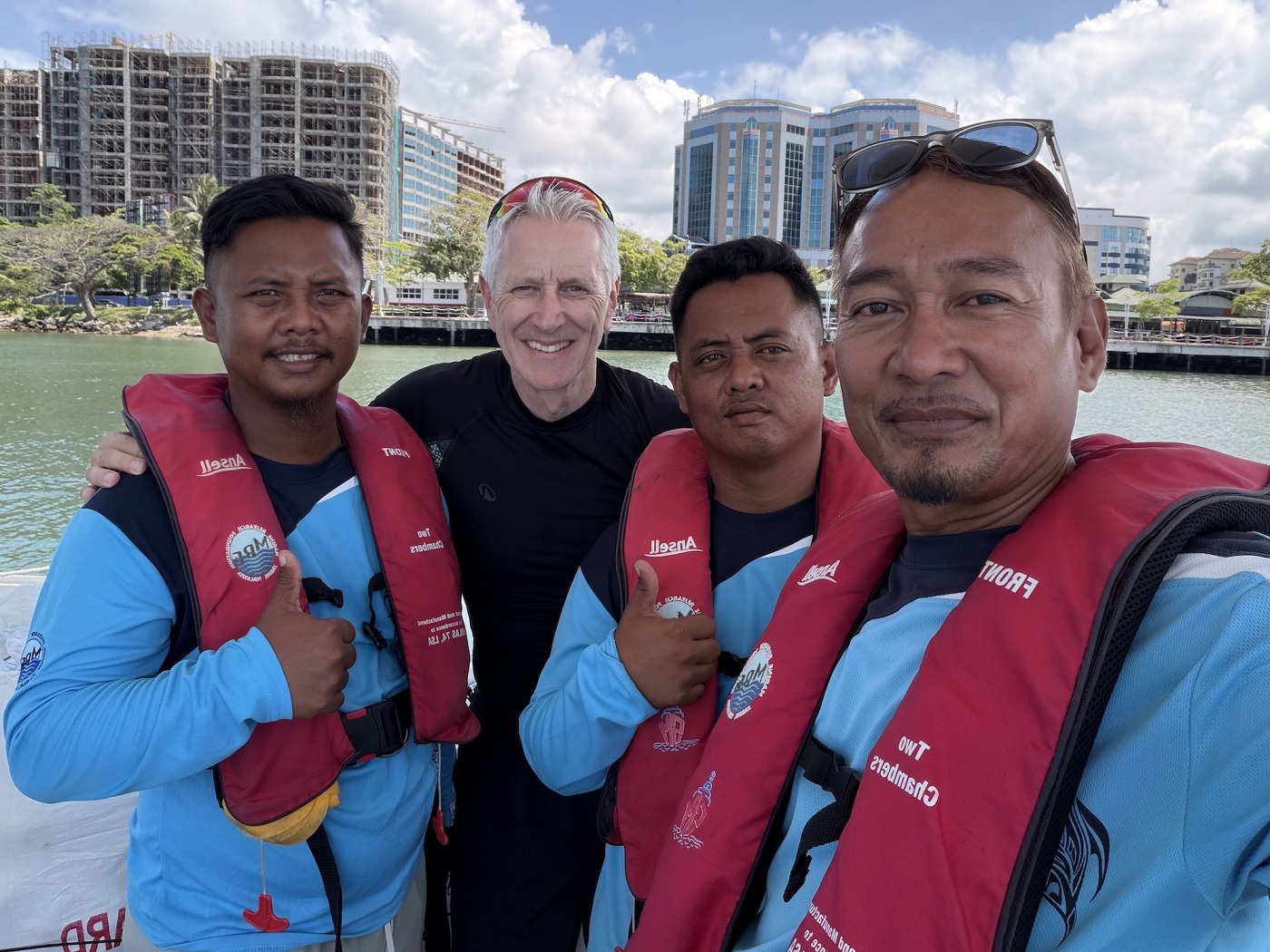
“When Rock, a crew member, took a group selfie at the end of a long, hot day, it became the most meaningful moment for me.
“He grabbed my phone, gathered everyone and pressed the shutter. It wasn’t part of the project. It was just friendship. That image is the truest document of our time together.”
The photograph symbolised more than teamwork. It reflected the shared sense of purpose among individuals dedicating themselves to protecting Sabah’s marine environment despite the immense scale of the challenge.
During his time aboard Mobula 8, Binch’s understanding of waste management also evolved significantly.
“Recycling alone isn’t enough. Education is key, and MRF is very active in this regard, visiting schools across Sabah and beyond.”
He believes public awareness and behavioural change must accompany clean-up operations if meaningful progress is to be achieved.
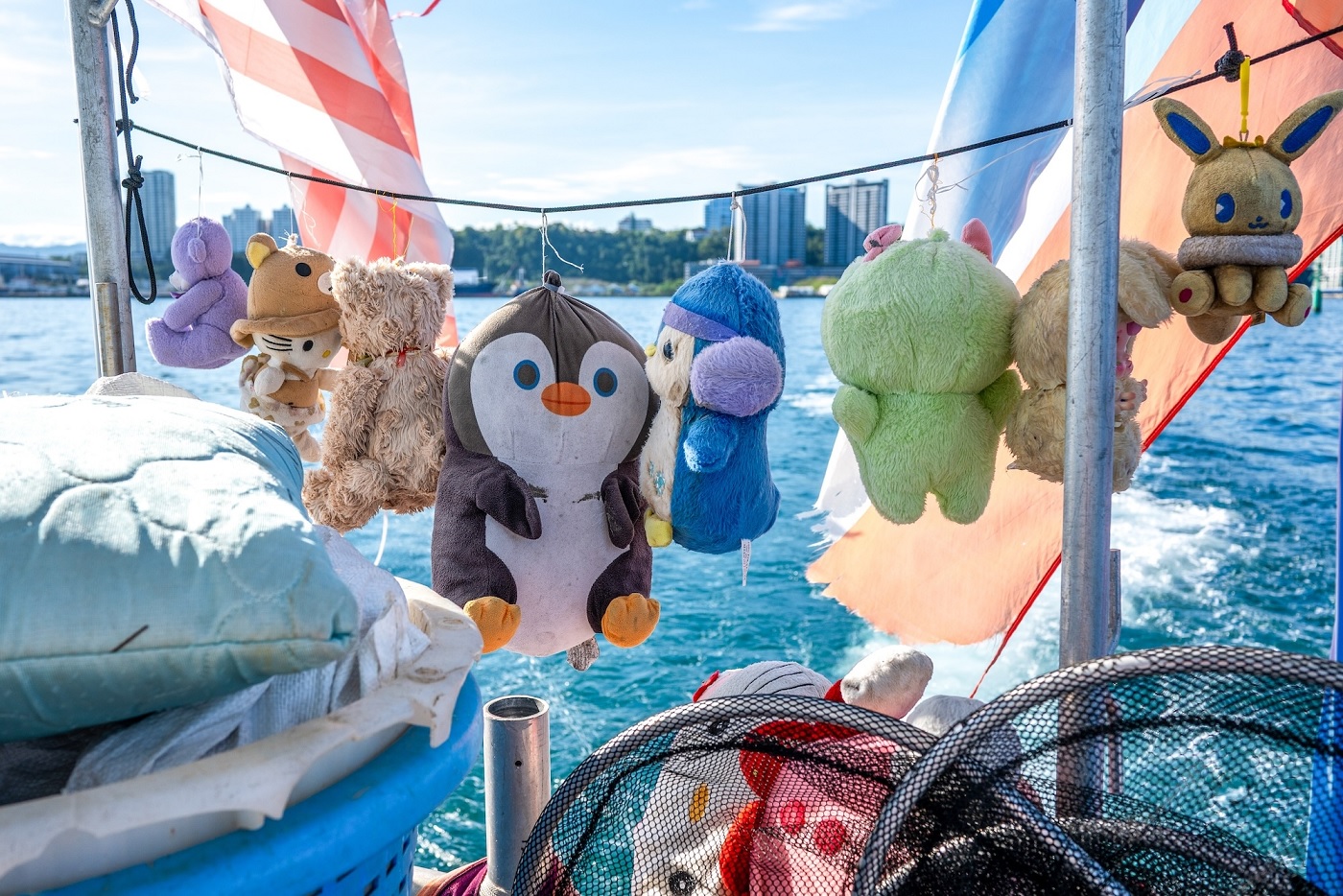
This message is perhaps most vividly represented by a collection of salvaged toys recovered from the sea. Many of them, damaged and weathered by prolonged exposure to the marine environment, have become symbolic artefacts of the crew’s efforts.
“They are non-recyclable plastic items that the crew chose to keep and even name after themselves,” said Binch.
“They are acts of defiance. The toys become an archive, a record of their work. It shows they care deeply.”
Far from being discarded curiosities, the recovered toys tell a larger story about consumption, waste and the longevity of plastic in the environment.
For Binch, documenting these stories presented a unique challenge. Sabah’s natural beauty can easily dominate visual narratives, creating images that celebrate the landscape while obscuring the environmental threats it faces.
“Resisting the ‘tourist brochure’ aesthetic was one of the biggest challenges,” he said. “Sabah’s waters are stunning, but that wasn’t the truth I wanted to tell. I needed to turn my camera around.”
That decision became a defining principle of the project. Rather than focusing solely on idyllic coastlines and crystal-clear waters, his work sought to reveal the often-unseen consequences of human activity.
The resulting images present a more complex picture of Sabah’s marine environment – one that acknowledges both its beauty and its vulnerability.
More Than a Clean-up
Looking ahead, Binch believes solving the problem will require more than volunteer clean-ups and environmental campaigns. Structural improvements and societal changes are equally important.
“Better waste infrastructure on land, secured landfills and a cultural shift away from single-use plastics are essential,” he said.
He pointed to everyday consumer habits that contribute to the growing volume of plastic waste.
“We buy drinks in a plastic cup, with a plastic lid and a plastic straw, which is then placed in a plastic bag. This must stop.”
Ultimately, Binch hopes the public will recognise that responsibility for addressing marine plastic pollution cannot rest solely with organisations such as MRF and the crews operating vessels like Mobula 8.
“The MRF crew do a fantastic job, but we can’t rely solely on them to clean the ocean. We all need to take responsibility for our actions and educate others wherever we can.”
His photographs document the problem, but their underlying message is one of collective responsibility.
They serve as a reminder that every piece of plastic removed from the sea has a story that often begins on land, and that protecting Sabah’s oceans requires action not only from environmental organisations, but from society as a whole.
As Sabah continues to position itself as a global ecotourism destination, marine plastic pollution remains a critical test of the state’s commitment to environmental stewardship. Through the lens of photographers such as Binch and the daily efforts of the Mobula 8 crew, that challenge is becoming increasingly difficult to ignore.