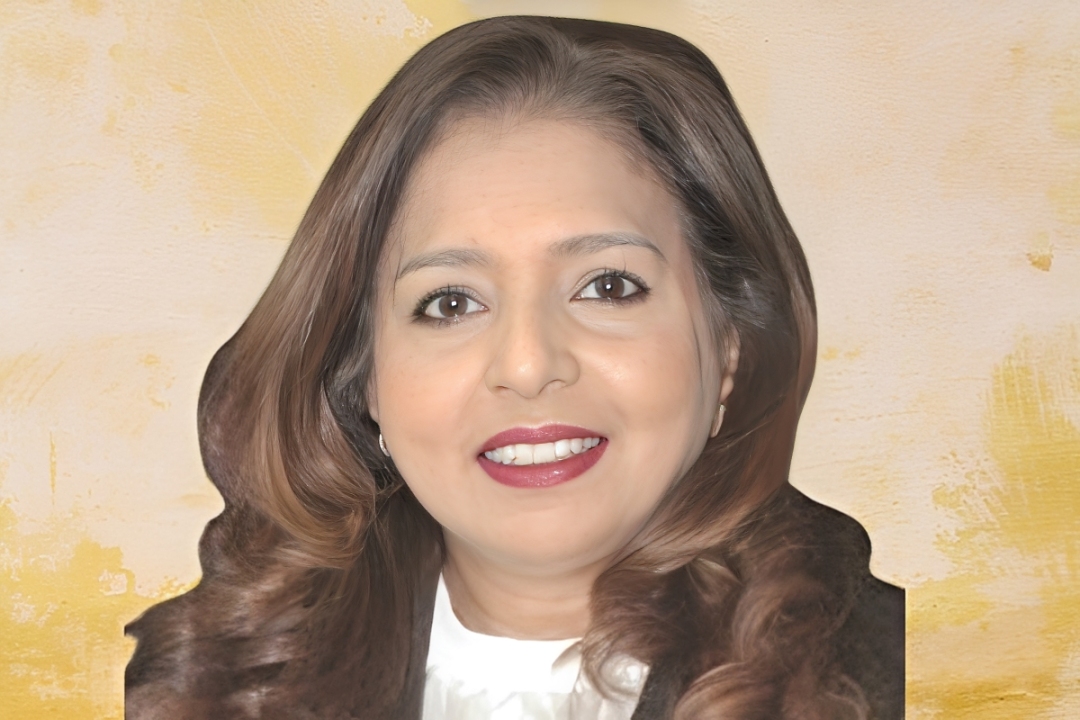
Kota Kinabalu: Sabah is home to a large population of undocumented and stateless children who are locked out of justice and protection due to lack of documentation, said advocate Datin Mary Gomez.
“Undocumented children have rights on paper, but they cannot reach them,” said Gomez, a trustee of the Child Rights Innovation and Betterment (CRIB) Foundation.
The CRIB Foundation is a prominent Malaysian non-profit dedicated to child protection advocacy, education and policy reform.
“I also understand that Sabah has the largest population of undocumented stateless children, but they do not have access to justice and effective protection is not available because of, again, the same issue, the lack of documentation,” Gomez said.
She was among the panelists at the inaugural Child Safeguarding Conference held recently at the Sabah International Convention Centre, jointly organised by the Child Safeguarding Initiative, the Human Rights Commission of Malaysia and the Sabah Council of Social Services.
She said many undocumented children in Sabah’s interior are locals, mostly Kadazan and Dusun, born to parents whose marriages were never registered by recognised registrars.
She said if the mother is Malaysian she can register the child as a single mother, but communities often do not accept a birth certificate without the father’s name, leading families to delay registration indefinitely.
“So they just leave the child there without any documents,” she said.
“The child can go to school up to primary six, but after that the child cannot go to secondary school, cannot sit for exams. That is when they realise, but it is too late,” she added.
She said children with Malaysian fathers and foreign mothers face even greater hurdles to citizenship, citing a case that reached the Court of Appeal in which a mother left for the peninsula and the child could not be registered at all.
She said Bajau Laut children living on boats and stilt houses in the Sulu Sulawesi Sea face similar barriers, with their nationality frequently questioned even when born within Malaysian territory.
“These children are commonly seen begging on the streets and traffic light junctions right here in Kota Kinabalu.
“They are also children, they do not have food to eat, so they go begging for food, they deserve some sort of protection under the Child Act,” she said.
Gomez cited a landmark 2017 case in which Justice Ghazali Cha released a 16-year-old Rohingya asylum seeker charged under the Immigration Act on bail and placed the child in a welfare home, with the court ruling that a child’s welfare must take priority regardless of nationality.
“Access, not rights, is the gap,” she said, calling for a registry system so undocumented children can be recorded, an end to child detention and a separation between welfare services and immigration enforcement.
Asked what Sabah should prioritise over the next five years to strengthen child protection, Gomez said every child should have a legal identity through birth registration regardless of their parents’ status.
“I want to say that the law is the floor, not the ceiling,” she said.
“We have built a strong floor, so over the next five years, let us make sure every child is standing on that floor,” she added.
For the record, Sabah has about 1.06 million children out of its 3.4 million population, according to State Women, Health and People’s Wellbeing Assistant Minister Datuk Rina Jainal.
She said the Department of Statistics Malaysia’s 2024 report showed Sabah recording 1,181 children requiring care and protection, the second highest number in Malaysia after Selangor.