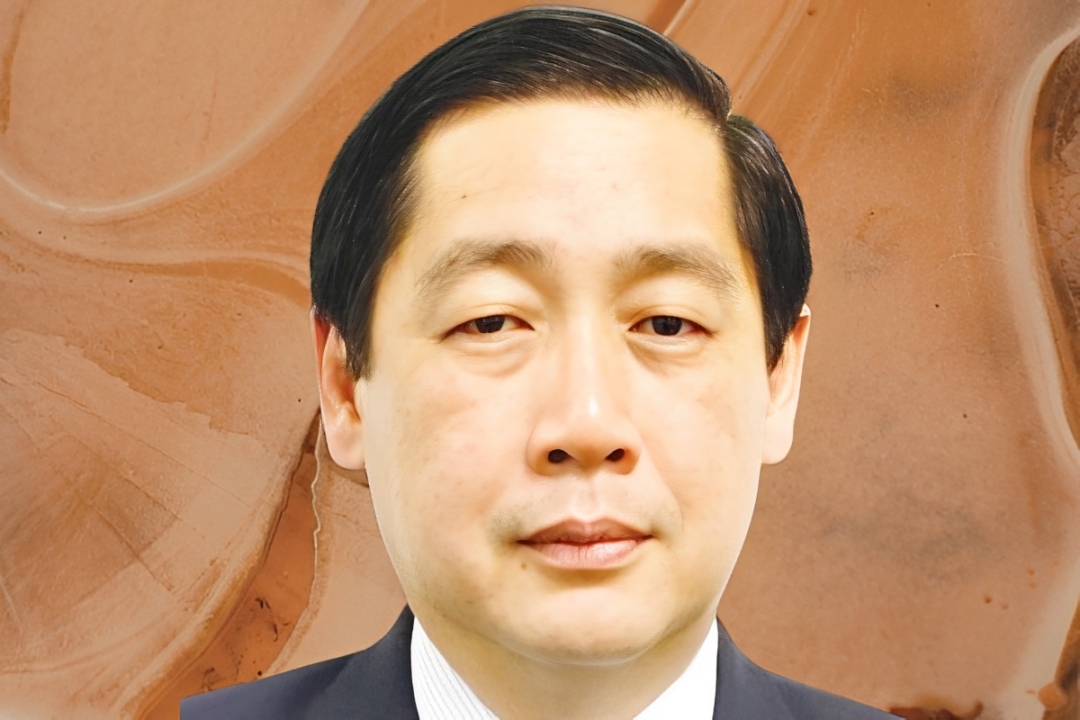
PROFESSOR Wong
(pic) illuminated the profound devastation inflicted upon North Borneo’s communities during the Japanese Occupation from 1942 to 1945.
He observed that the territory’s most promising leaders died during this period, victims of arbitrary arrest and execution by the Japanese authorities, particularly the Kempeitai military police.
This decimation of the first and second echelons of leadership during the war left a generational vacuum, Professor Wong explained.
In the Chinese community, which had suffered disproportionately for its support of British and Chinese resistance against the Axis powers, inexperienced third-echelon figures such as Khoo Siak Chiew and Pang Tet Chung were compelled to assume political leadership during the independence struggle.
The absence of seasoned elders meant that Sabah’s nascent political parties faced a precipitous learning curve in steering the state toward self-governance.
“More needs to be done to remember the tragic events of WWII in Sabah which ended 60 years of peace,” Professor Wong remarked, adding that many events took place during this momentous three years and eight months.
The post-war era witnessed the transfer of North Borneo from the administration of the North Borneo Chartered Company to the British Colonial Office, effective July 15, 1946 – a transition that would ultimately set the stage for the territory’s incorporation into Malaysia 17 years later, widely seen regionally to be a British project to preserve its economic clout in Southeast Asia.