Advertisement

SPONSORED CONTENT

The 2026 D-MAX also introduces an 8-speed automatic gearbox with sequential shift across the range, including the Single Cab variant, making it the first pick-up truck in Malaysia to offer an automatic transmission in that body style.
Advertisement
Advertisement
 The kitchen belongs in the south-east, the direction associated with the fire element, or the northwest, which is associated with air.
Whenever possible, the person preparing meals should face east or north while cooking, allowing the first rays of the morning sun to symbolically energise the food that nourishes the family.
The prayer room or meditation space is best located in the north-east, regarded as the most spiritually powerful part of the home.
This sacred corner naturally supports peace, reflection and spiritual growth.
Bathrooms are more suitable in the north-west or south-east. They should be avoided in the north-east, south-west quadrants and particularly at the centre of the house, where they may disturb the natural energy balance.
One of the most neglected areas in modern homes is the centre of the building, known in Vasthu as the Brahmasthan.
This is considered the energetic heart of the house. Ideally, it should remain open, bright and uncluttered.
Heavy furniture, storage rooms, thick structural walls or large pillars in this area may obstruct the free circulation of subtle energy.
Water placement also carries great significance. Overhead water tanks should be positioned in the south-west.
This arrangement creates both structural and energetic balance throughout the property.
If the bungalow includes a staircase, it should preferably rise clockwise and be located in the southern or western portion of the house. Anti-clockwise staircases are discouraged because they are believed to interfere with the natural movement of positive energy.
The outdoor environment should not be ignored.
A thoughtfully designed garden contributes greatly to the wellbeing of the home.
Fragrant flowering plants and herbs can be placed in the north and east, while larger trees are more suitable in the south and west where they provide shade without blocking the beneficial morning sunlight.
Thorny plants should be avoided as they are believed to create psychological discomfort and energetic disturbances.
Natural light and fresh air remain two of the simplest yet most effective remedies in Vasthu.
Windows facing the east and north allow the gentle morning sun to enter the home, bringing warmth, vitality and a sense of freshness.
Good cross-ventilation prevents stagnant air and creates an environment that feels vibrant and welcoming.
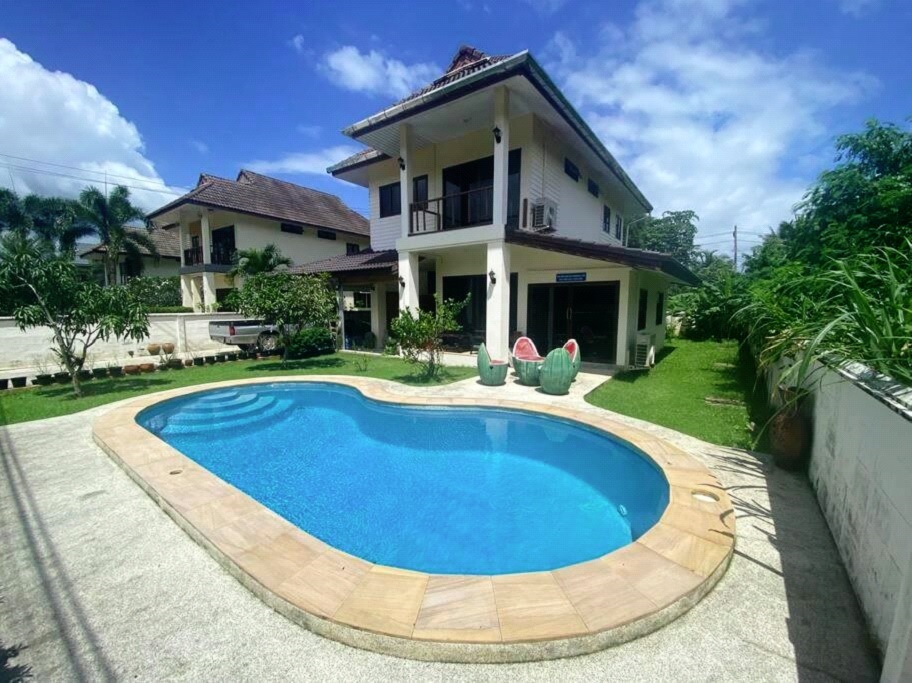
If you are considering having a swimming pool. It should be built in the north-east quadrant. Colours also influence our emotions. Soft, earthy shades and calming tones help create a peaceful atmosphere, particularly in bedrooms and prayer rooms.
Excessively dark colours or harsh visual contrasts may unintentionally create feelings of heaviness and restlessness.
Ultimately, Vasthu Sastra is not about superstition or fear.
Neither is it a rigid set of rules that limits creativity. Instead, it is a timeless science that encourages us to work with nature rather than against it. A well-designed bungalow is more than an attractive building.
It becomes a place where the family feels secure, children flourish, relationships strengthen and peace naturally settles into everyday life.
After all, we may spend a fortune building a beautiful house, but it is the unseen harmony within its walls that truly transforms it into a happy home.
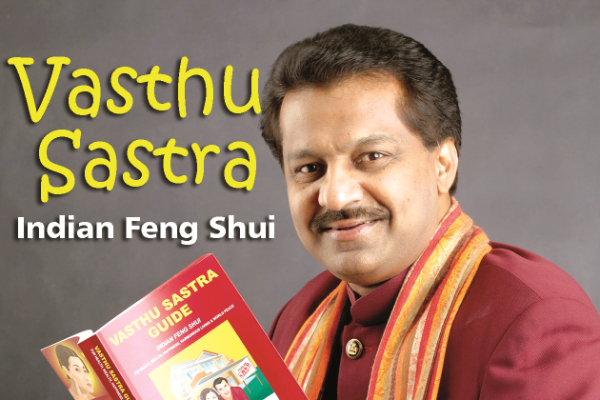
Award-winning writer Dr. T. Selva is the author of the bestsellers Vasthu Sastra Guide and Secrets of Happy Living. To get a copy, WhatsApp 019-2728464. He can be reached at [email protected]. Website: www.vasthuguide.com
The kitchen belongs in the south-east, the direction associated with the fire element, or the northwest, which is associated with air.
Whenever possible, the person preparing meals should face east or north while cooking, allowing the first rays of the morning sun to symbolically energise the food that nourishes the family.
The prayer room or meditation space is best located in the north-east, regarded as the most spiritually powerful part of the home.
This sacred corner naturally supports peace, reflection and spiritual growth.
Bathrooms are more suitable in the north-west or south-east. They should be avoided in the north-east, south-west quadrants and particularly at the centre of the house, where they may disturb the natural energy balance.
One of the most neglected areas in modern homes is the centre of the building, known in Vasthu as the Brahmasthan.
This is considered the energetic heart of the house. Ideally, it should remain open, bright and uncluttered.
Heavy furniture, storage rooms, thick structural walls or large pillars in this area may obstruct the free circulation of subtle energy.
Water placement also carries great significance. Overhead water tanks should be positioned in the south-west.
This arrangement creates both structural and energetic balance throughout the property.
If the bungalow includes a staircase, it should preferably rise clockwise and be located in the southern or western portion of the house. Anti-clockwise staircases are discouraged because they are believed to interfere with the natural movement of positive energy.
The outdoor environment should not be ignored.
A thoughtfully designed garden contributes greatly to the wellbeing of the home.
Fragrant flowering plants and herbs can be placed in the north and east, while larger trees are more suitable in the south and west where they provide shade without blocking the beneficial morning sunlight.
Thorny plants should be avoided as they are believed to create psychological discomfort and energetic disturbances.
Natural light and fresh air remain two of the simplest yet most effective remedies in Vasthu.
Windows facing the east and north allow the gentle morning sun to enter the home, bringing warmth, vitality and a sense of freshness.
Good cross-ventilation prevents stagnant air and creates an environment that feels vibrant and welcoming.
If you are considering having a swimming pool. It should be built in the north-east quadrant. Colours also influence our emotions. Soft, earthy shades and calming tones help create a peaceful atmosphere, particularly in bedrooms and prayer rooms.
Excessively dark colours or harsh visual contrasts may unintentionally create feelings of heaviness and restlessness.
Ultimately, Vasthu Sastra is not about superstition or fear.
Neither is it a rigid set of rules that limits creativity. Instead, it is a timeless science that encourages us to work with nature rather than against it. A well-designed bungalow is more than an attractive building.
It becomes a place where the family feels secure, children flourish, relationships strengthen and peace naturally settles into everyday life.
After all, we may spend a fortune building a beautiful house, but it is the unseen harmony within its walls that truly transforms it into a happy home.
Award-winning writer Dr. T. Selva is the author of the bestsellers Vasthu Sastra Guide and Secrets of Happy Living. To get a copy, WhatsApp 019-2728464. He can be reached at [email protected]. Website: www.vasthuguide.com