DEVELOPING economies need a more inclusive, sustainable and responsible model of capitalism to close the widening financing gap for the United Nations Sustainable Development Goals (SDGs).
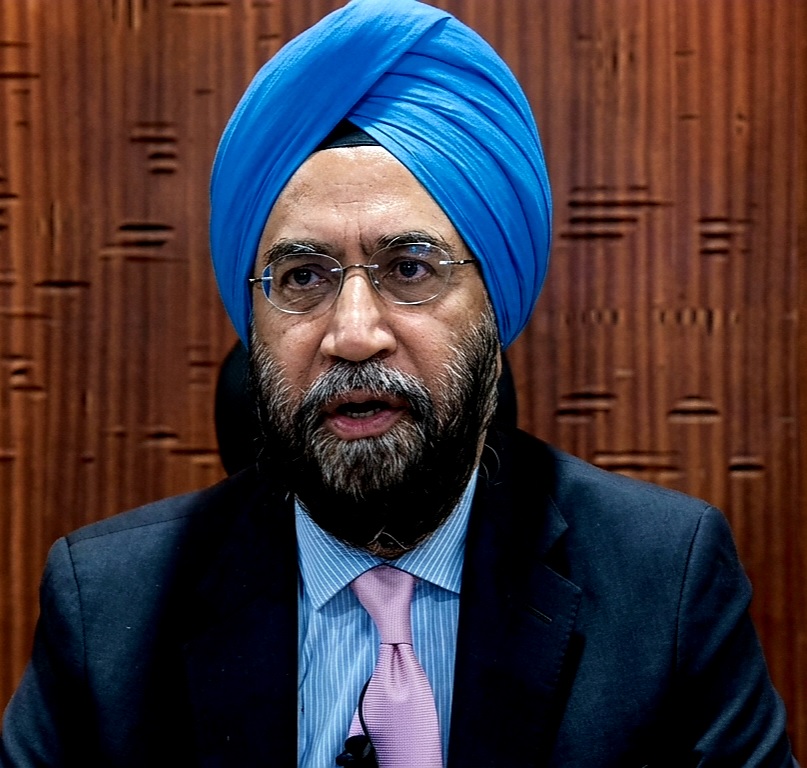
Securities and Exchange Board of India (SEBI) Whole-Time Member Amarjeet Singh said the global financing gap for the SDGs now exceeds US$4 trillion a year.
Advertisement

It could widen to US$6.4 trillion by 2030, he said during a session titled “Impact Investing Ecosystem Transformation: Social Stock Exchange and Blended Finance” at the Sabah Asia-Pacific Impact Investing for Sustainable Development Summit 2026.
Amarjeet, who spoke online from Mumbai, India, said the challenge was not a shortage of capital, but how financial systems were designed and where capital flowed.
He said the world had moved from one crisis to another over the past decade, including the Covid-19 pandemic, the Russia-Ukraine conflict and the latest conflict in West Asia, diverting global attention from achieving the SDGs.
He noted that global investment in artificial intelligence reached nearly US$1.5 trillion in 2025 and is expected to exceed US$2 trillion this year.
Amarjeet said capital markets must become more accessible to ordinary households instead of being dominated by large corporations and institutional investors.
He cited India’s Systematic Investment Plan (SIP), which allows people to invest small fixed amounts regularly in mutual funds, attracting monthly inflows of more than US$3.2 billion.
He said India had also introduced incentives for first-time women investors and people from smaller cities.
These measures helped increase the number of mutual fund investors from just over 10 million a decade ago to more than 60 million today.
On sustainability, Amarjeet said climate change and environmental challenges must be integrated into investment decisions.
He said capital markets had an important role in pricing sustainability risks and financing climate action.
India introduced its Business Responsibility and Sustainability Report framework for the country’s top 1,000 listed companies in 2021, he said.
The regulator is also strengthening the municipal bond market to finance local infrastructure and development projects, he added.
Amarjeet said responsible capitalism meant balancing profit with social progress.
He said India’s Social Stock Exchange builds on the principle of connecting social enterprises with donors, philanthropists and impact investors.
The platform improves transparency by requiring social enterprises to disclose their fundraising objectives, use of funds and measurable outcomes.
Amarjeet said regulators should no longer measure success solely by market capitalisation, trading volumes or new listings.
Instead, they should also assess whether more households were investing, whether smaller businesses could access growth capital and whether markets were financing a sustainable future, he added.