.png)
Advertisement
 However, significant challenges and issues hinder the development of Sabah’s Blue Economy, including climate change, pollution, overfishing, weak infrastructure, and regulatory gaps.
SPONSORED CONTENT

The 2026 D-MAX also introduces an 8-speed automatic gearbox with sequential shift across the range, including the Single Cab variant, making it the first pick-up truck in Malaysia to offer an automatic transmission in that body style.
Advertisement

Advertisement
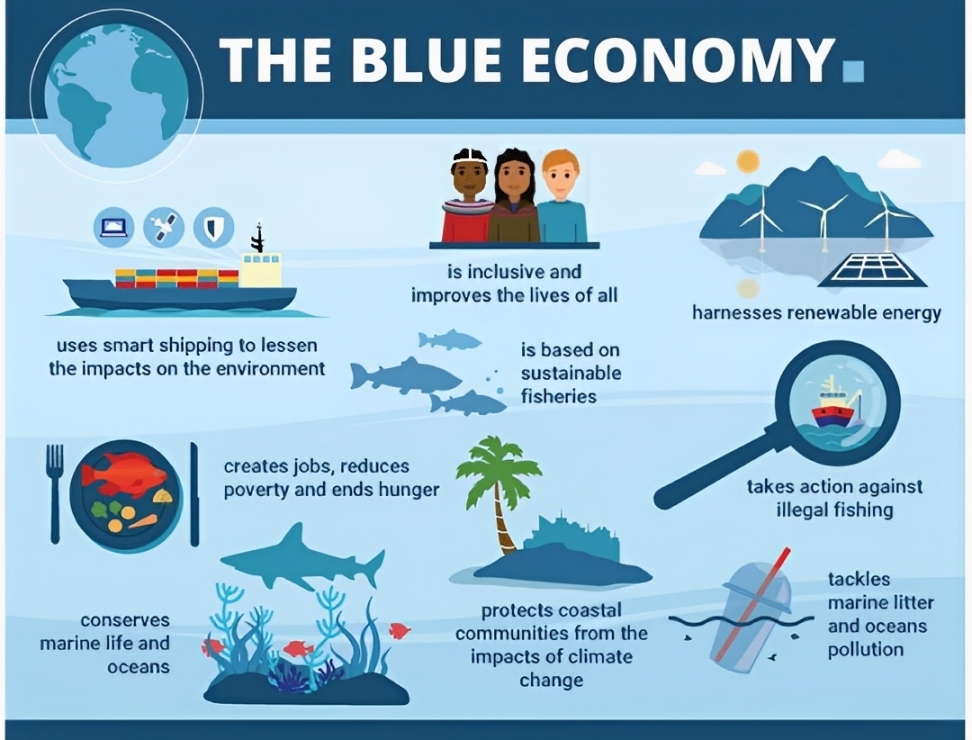
- Sabah is one of Malaysia’s largest fishery producers, contributing over 20pc of the national seafood supply.
- Sustainable fishing methods and modern aquaculture technologies can increase fish production while protecting marine ecosystems.
- Investments in recirculating aquaculture systems (RAS), offshore fish farming, and AI-driven fisheries management can enhance productivity while reducing environmental impact.
- Sabah’s famous marine parks, coral reefs, and islands – such as Sipadan, Mabul, and Tunku Abdul Rahman Park – attract thousands of local and international visitors annually.
- Sustainable tourism initiatives, such as eco-friendly resorts, marine conservation programs, and community-based tourism, can enhance economic benefits while protecting fragile ecosystems.
- Modernising Sabah’s ports and shipping infrastructure (e.g. Sepanggar, Sandakan, Lahad Datu) can improve trade efficiency and logistics.
- Enhancing coastal ferry services and maritime connectivity can strengthen economic linkages between Sabah’s rural coastal communities and urban centres.
- Tidal, wave, and offshore wind energy have significant potential to reduce Sabah’s reliance on fossil fuels.
- Floating solar farms in coastal waters could help meet Sabah’s rising energy demands while promoting clean energy solutions.
- Sabah’s rich marine biodiversity offers opportunities for pharmaceuticals, cosmetics, and biotechnology industries.
- Investing in marine research and innovation can unlock new industries while strengthening marine conservation efforts.
- Rising sea levels, coral bleaching, and extreme weather events threaten coastal communities and marine ecosystems.
- Overfishing and illegal, unreported, and unregulated (IUU) fishing continue to deplete marine resources.
- Plastic waste, oil spills, and industrial discharge pollute Sabah’s waters, harming marine life.
- Weak waste management systems result in excessive pollution from coastal industries, tourism, and urban centres.
- Sabah needs modern fishing ports, cold storage facilities, and advanced fishery processing plants to improve efficiency.
- Limited adoption of smart technology and digital solutions in fisheries and marine industries reduces competitiveness.
- Inconsistent regulations and slow bureaucratic processes hinder marine-based investments.
- Weak enforcement of marine conservation laws allows continued environmental degradation.
- Many local businesses and entrepreneurs lack financial support to invest in sustainable fisheries, eco-tourism, or renewable energy projects.
- Government grants and private investments in Blue Economy initiatives remain underdeveloped.
- There is a shortage of marine engineers, oceanographers, and skilled professionals in Blue Economy industries.
- Insufficient training programs for fishermen, tourism operators, and coastal entrepreneurs limit innovation and growth.
- Engineers can modernize Sabah’s fishing ports and maritime facilities, improving logistics and trade efficiency.
- Marine engineers and technology experts can develop AI-driven fisheries monitoring systems to prevent overfishing.
- Implementing sustainable aquaculture technology, such as offshore fish farming and automated feeding systems, can enhance production while reducing environmental impact.
- Engineers specializing in marine energy systems can design and implement wave, tidal, and offshore wind energy projects.
- Floating solar panel farms can help Sabah reduce its dependence on fossil fuels.
- Engineers can develop advanced marine waste recycling systems, turning plastic pollution into sustainable products.
- Designing biodegradable fishing nets and eco-friendly packaging can help reduce marine waste.
- Engineering advancements in electric boats, hybrid ferries, and hydrogen-powered ships can lower carbon emissions.
- Improving coastal waterway transportation systems can strengthen trade and connectivity between island communities.
- Engineers can collaborate with marine scientists and universities to develop ocean monitoring systems for tracking marine health.