Kota Kinabalu: Sabah’s overall unemployment rate fell to 5.5 per cent in the first quarter of 2026 from 6.0 per cent in the fourth quarter of 2025, the State Legislative Assembly was told.
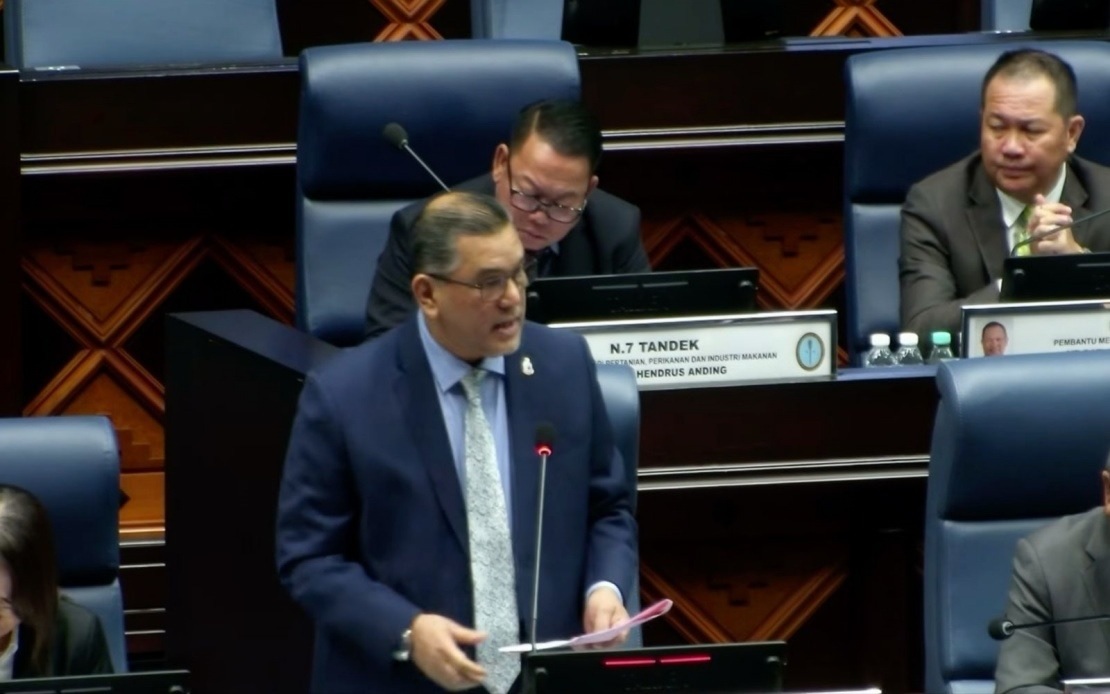
Youth Development, Sports and Creative Economy Minister Datuk Nizam Abu Bakar Titingan (pic) said the latest figure also reflected continued recovery from the post-pandemic peak of 8.2 per cent recorded in 2020.
“For Sabah, the overall unemployment rate stood at 5.5 per cent in the first quarter of 2026 compared with 6.0 per cent in the fourth quarter of 2025 and 7.6 per cent in 2024,” he said.
He was responding to a written question from Datuk Seri Wilfred Madius Tangau (Upko-Tamparuli), who sought details on youth unemployment in Sabah by district and programmes to create high-income employment opportunities.
Nizam said Sabah continues to adopt the State Government’s definition of youth as those aged between 15 and 40 years, although the Federal Government has revised the age range to between 15 and 30 years.
He said the Department of Statistics Malaysia (DOSM) does not publish official youth unemployment statistics by district or local authority area, including Kota Kinabalu.
Advertisement

However, based on DOSM Sabah statistics for 2024, the youth unemployment rate was 25.6 per cent for those aged 15 to 19, 36.9 per cent for those aged 20 to 24, 16.2 per cent for those aged 25 to 29, 8.7 per cent for those aged 30 to 34 and 4.9 per cent for those aged 35 to 39.
Nizam said the State Government, through his Ministry, has introduced various programmes to create higher-income employment opportunities for young people.
These include upskilling and reskilling programmes based on the needs of high-technology industries, industry-based skills training with job placements in higher value-added sectors such as oil and gas, information technology and professional services, as well as career carnivals linking youth with employers offering higher-paying jobs.
He said the creative economy, including digital content, also offers significant income-generating opportunities for young people.
Nizam added that strategic collaboration with government agencies, skills training institutions and the private sector is being strengthened to expand industrial training opportunities and career development in higher-income sectors.


.png)