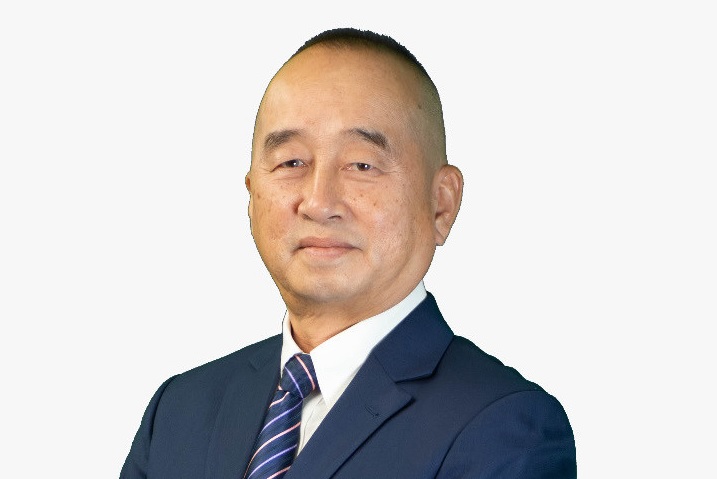
MOYOG Assemblyman Datuk Donald Peter Mojuntin insisted that village heads, native chiefs and district chiefs can no longer be appointed based solely on standing in the community.
“They must meet clear minimum standards of competence, integrity and know-how to handle today’s complex duties,” he stressed.
Speaking during debate on the landmark District Chief, Native Chief and Headman Bill 2026 tabled in the State Assembly Thursday, Donald backed the long-awaited law but warned it will only be as good as the people appointed under it.
He said the Bill, which sets out powers, duties and removal procedures, is a vital step forward – but is missing a critical piece: minimum eligibility criteria written into law or accompanying regulations.
“These roles have changed completely. They are no longer just about customary matters,” Donald stressed. “Today these officers verify official documents, manage resident data, coordinate with dozens of agencies and act as the government’s face at the grassroots. They need to be treated as professional positions, not mere titles.”
He proposed that appointees should have:
Advertisement

• Suitable academic qualifications
• Working knowledge of customary law, the Native Court system and government procedures
• A clean record free of serious crimes or corruption
• Clear standing and acceptance within their community
• Proven skills in communication and conflict resolution
• Willingness to undergo mandatory training
Donald also pushed for the existing Sabah Native Court Training Institute to be refurbished and used as the centre for compulsory pre-appointment and ongoing training – covering administration, ethics, disaster response and digital literacy – instead of building new facilities at extra cost.
To boost accountability without being punitive, he called for regular performance reviews based on training attendance, handling of complaints, cooperation with authorities and feedback from residents.
“Strong laws need strong people to carry them out,” Donald said.
“When we raise the standard of our community leaders, we strengthen the Native Courts, improve grassroots governance and build a better future for all Sabahans,” he said.


.png)