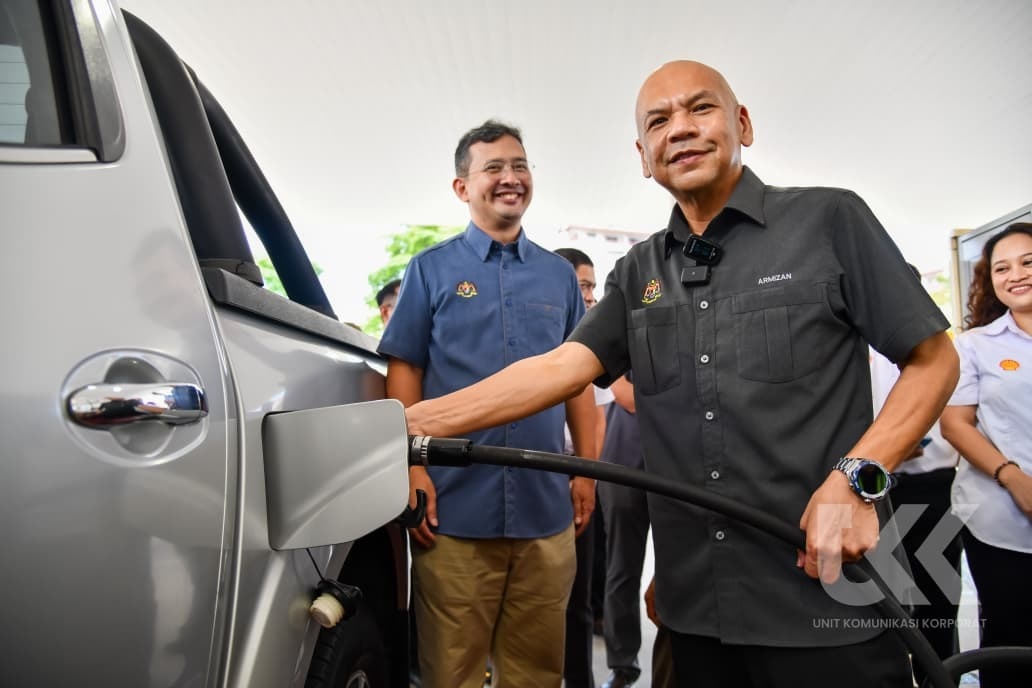
THE Federal Government has approved an early enhancement to the Subsidised Diesel Control Scheme (SKDS) by expanding eligibility to include small companies that were previously unable to apply for fleet card facilities.
Domestic Trade and Cost of Living Minister Datuk Armizan Mohd Ali said only the public transport and consumer goods transportation sectors had previously qualified for the scheme.
Advertisement
However, many small contractors and business operators in Sabah use diesel-powered vehicles for their operations but do not fall under either category.
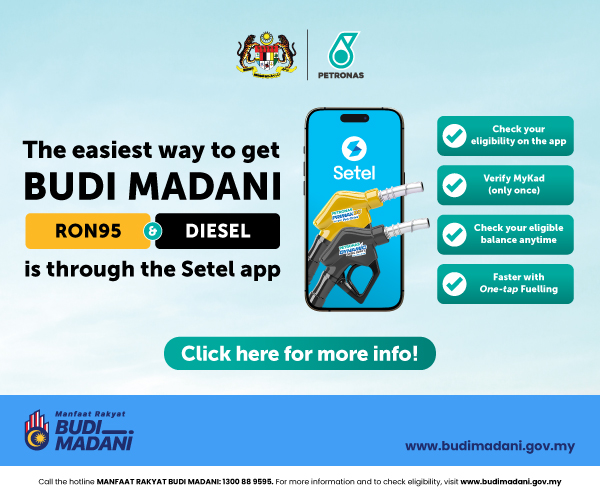
“Many small business owners register diesel-powered vehicles under sole proprietorships or partnerships rather than under their personal names, making them ineligible for the BUDI Diesel programme because the vehicles are registered under the company’s name.
“We raised this issue and proposal to the Cabinet, and it has since been approved, enabling small companies registered under these categories to receive fleet card facilities,” he said.
Armizan said each eligible company will now receive a monthly quota of 300 litres of subsidised diesel through the fleet card facility, even if the vehicle is registered under the company’s name.
Advertisement

He said the move demonstrates the Federal Government’s willingness to improve subsidy implementation based on actual needs and accurate data.
“The most important thing is that we have a clear mechanism, complete data and identifiable target groups so that subsidies are channelled only to those who are eligible.
“We hope close cooperation between the Federal and state governments will continue to strengthen so that the diesel subsidy mechanism can better assist the people and reduce the burden of the cost of living,” he said.
Meanwhile, Armizan clarified the roles of the Domestic Trade and Cost of Living Ministry (KPDN) and the Ministry of Finance (MOF) in implementing fuel subsidy targeting.
He stressed that fuel subsidy policies, including quota determination, are decided entirely by the MOF, while KPDN’s role is limited to responsibilities assigned by the Government.
“KPDN regulates petrol stations, where the subsidy mechanism is implemented, while policy changes and improvements fall under the Ministry of Finance.
“That is why discussions and engagement sessions on improving subsidy targeting are led by the MOF,” he said, expressing hope that the clarification would resolve longstanding public confusion over the respective roles of the two ministries.