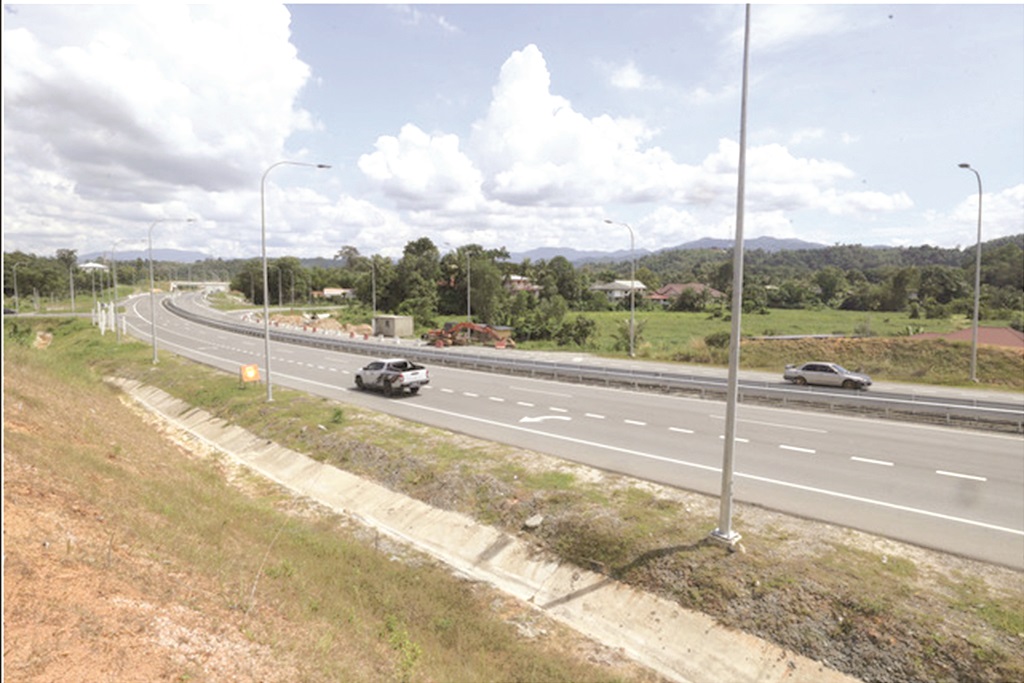
Kota Kinabalu: UTILITY relocation has been identified as one of the main factors contributing to the delay in the implementation of the Sabah Pan Borneo Highway project, said Deputy Chief Minister I Datuk Seri Dr Joachim Gunsalam.
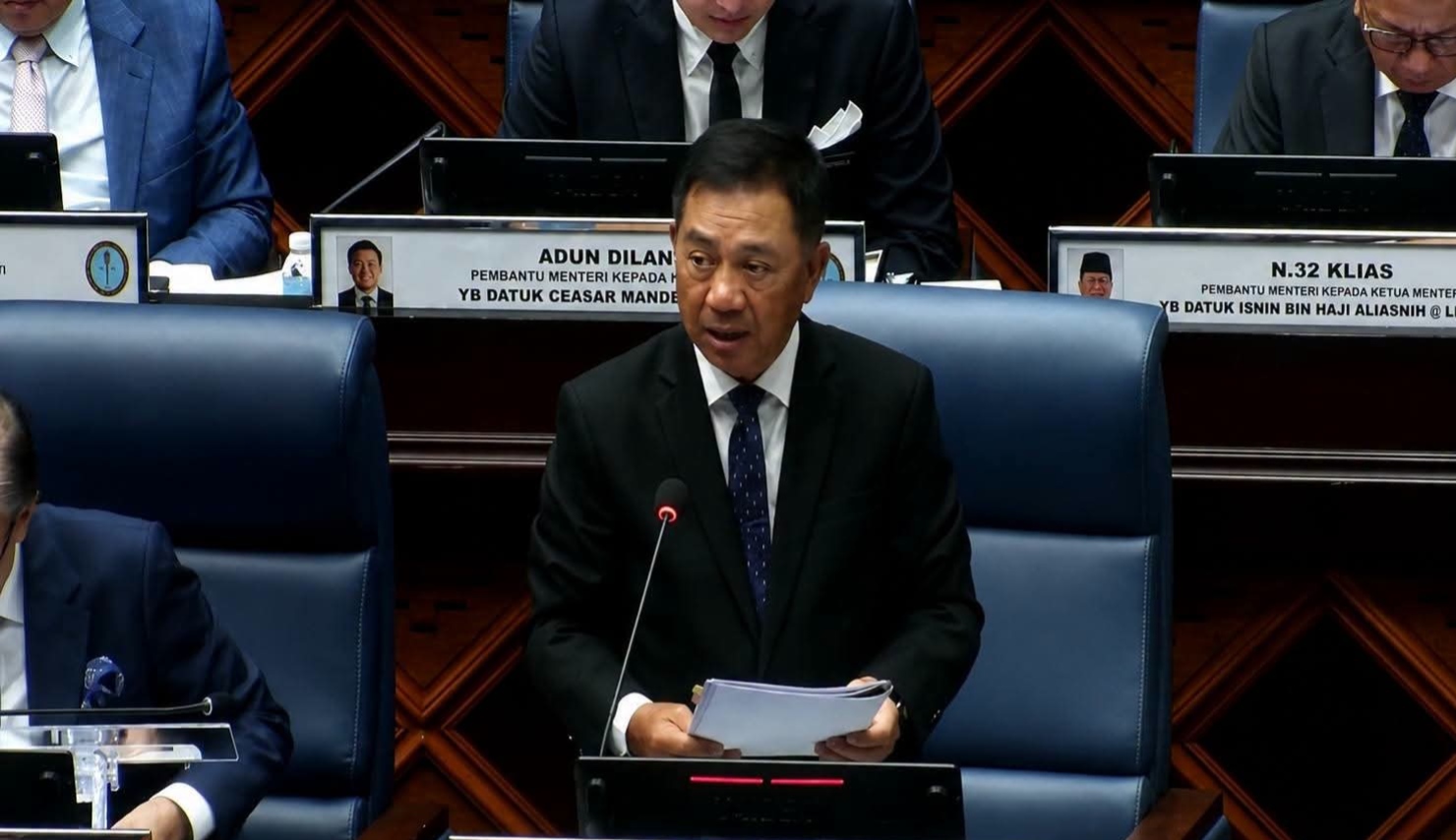
Joachim, who is also State Works and Utilities Minister, told the State Assembly Monday that the relocation of utilities involves far more than moving electricity poles and assets.
Advertisement

He said it also includes telecommunications cables and other utility infrastructure along the construction line, making it a critical prerequisite before construction can proceed.
“Construction work cannot be carried out in areas where existing utilities remain due to safety concerns, the risk of disrupting essential services and the possibility of damaging utility infrastructure.
“Therefore, the utilities need to be relocated first before construction work can continue,” he said in reply to an oral question from Datuk Chin Shu Ying (Appointed Assemblyman), who asked the main reasons for the delay in completing the Pan Borneo Highway project and the measures taken to overcome them.
Joachim said utility relocation is a complex process that goes beyond simply moving infrastructure.
Advertisement

“It involves verifying the location of existing utilities, preparing engineering designs, obtaining technical approvals, establishing utility corridors, coordinating with utility owners and carrying out the relocation works.
“As such, the process requires close coordination among all parties to ensure that relocation is carried out safely and systematically without disrupting services to consumers,” he said.
Apart from utility relocation, Joachim said several other factors have also affected the progress of various Pan Borneo Highway work packages.
These include land acquisition, challenging geotechnical conditions at certain locations, the resolution of technical issues at project sites and contractors’ performance.
To address these challenges, he said the Government has strengthened coordination mechanisms through the Pan Borneo Highway Project Implementation Steering Committee and regular site-level coordination meetings.
He added that critical issues requiring policy decisions are also escalated to the highest levels of government, including the Ministry of Works, Ministry of Economy and Ministry of Finance, together with his ministry, to expedite solutions and minimise delays.
Looking ahead, Joachim said the Government plans to place greater emphasis on completing preliminary works before future infrastructure projects commence.
These include preparing detailed engineering designs, completing land acquisition and carrying out utility relocation before construction begins.
He said the approach would allow implementation issues to be identified and resolved earlier, reducing the risk of delays during the construction phase.
“The Government will continue to closely monitor the implementation of every Sabah Pan Borneo Highway package to ensure the project is completed in an orderly manner, meets quality standards and delivers benefits to the people and the development of Sabah,” he said.